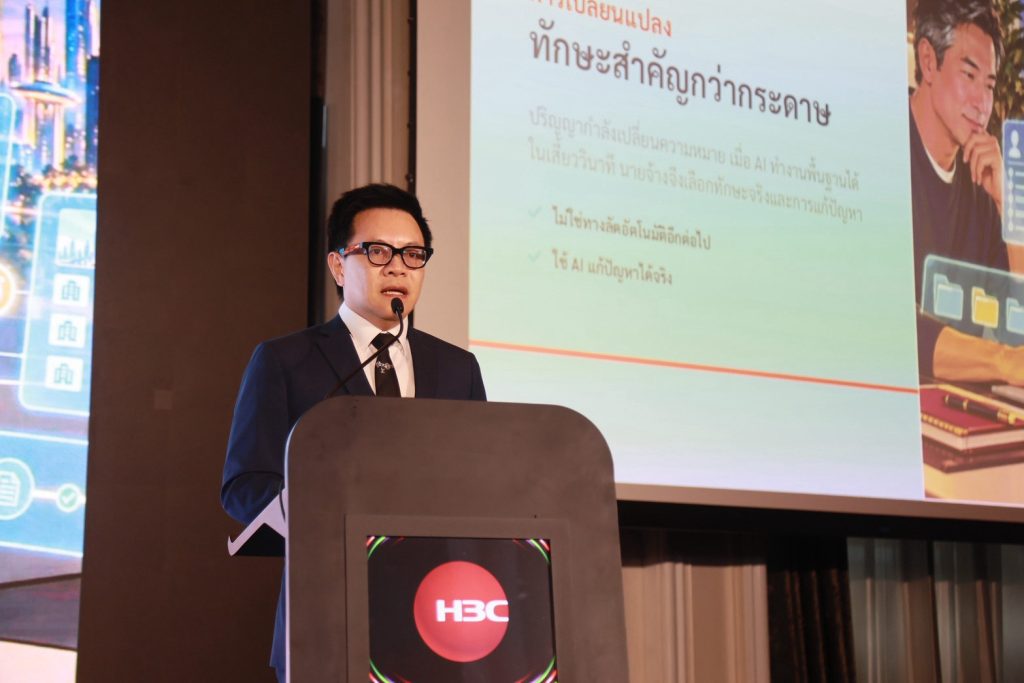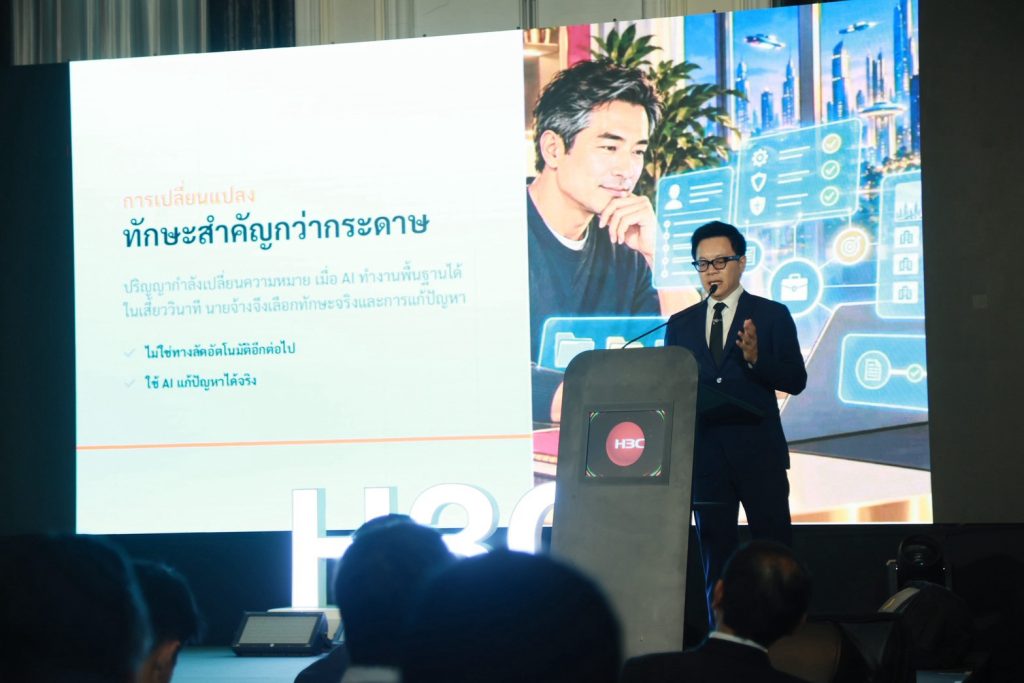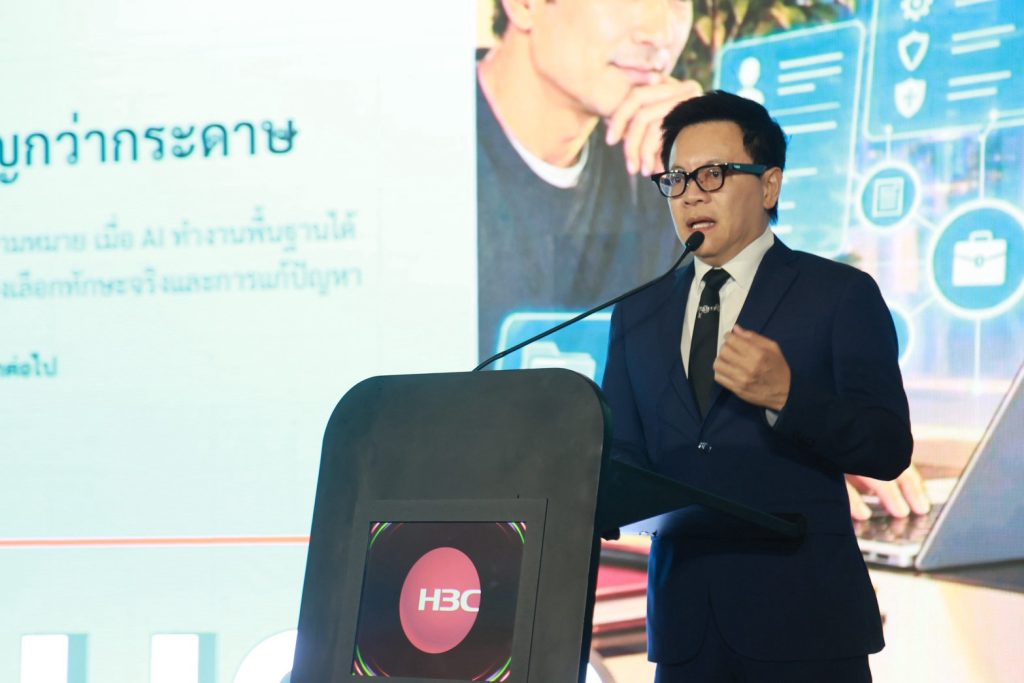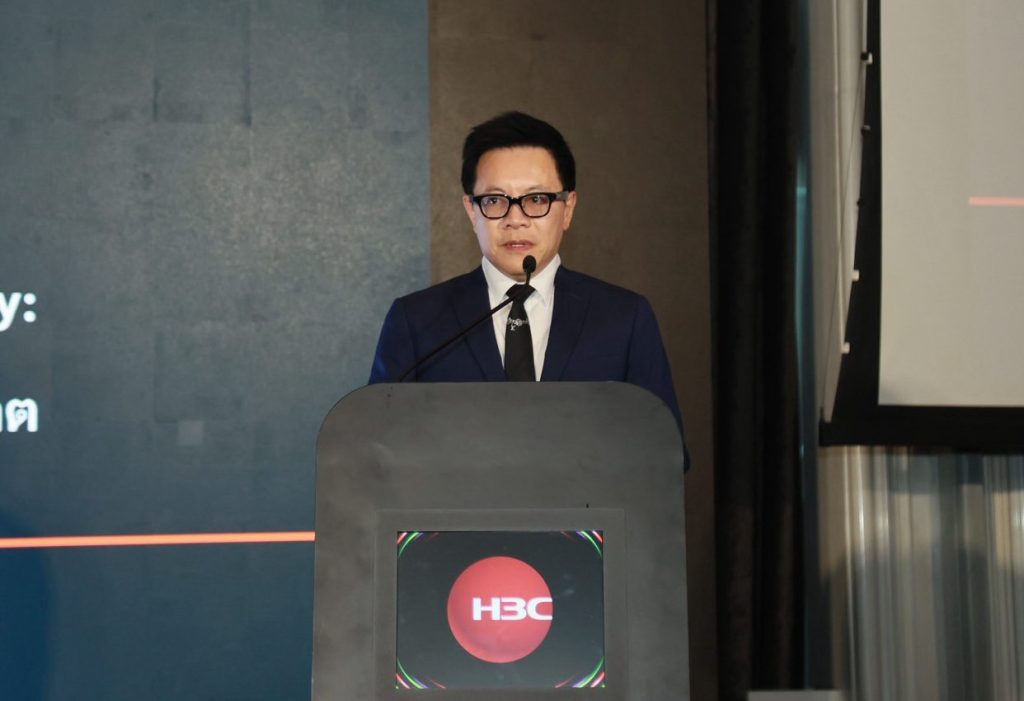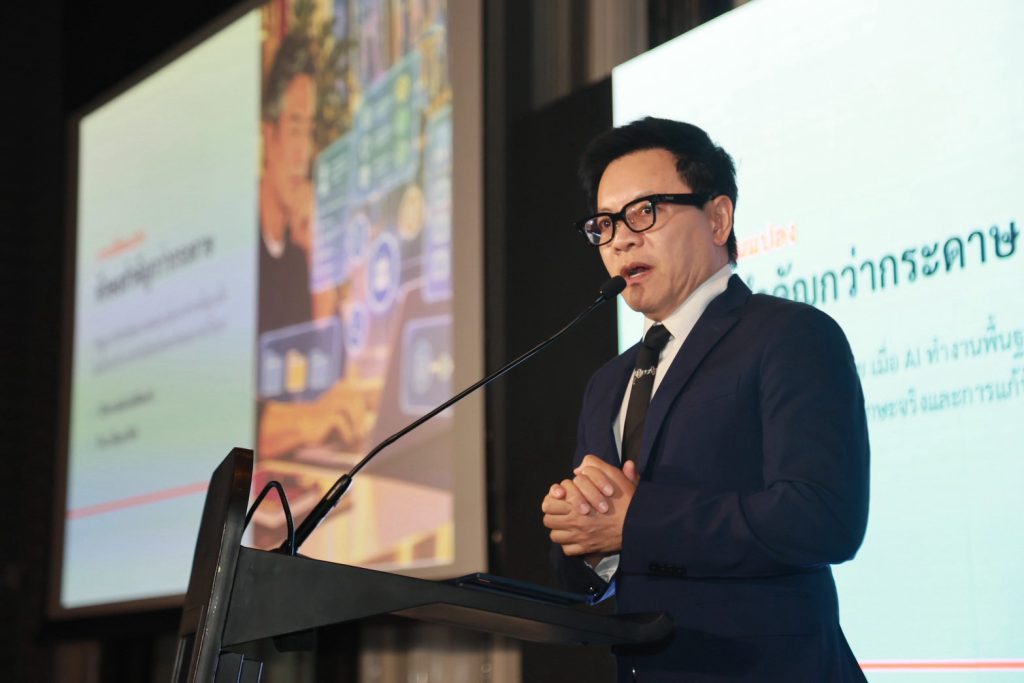
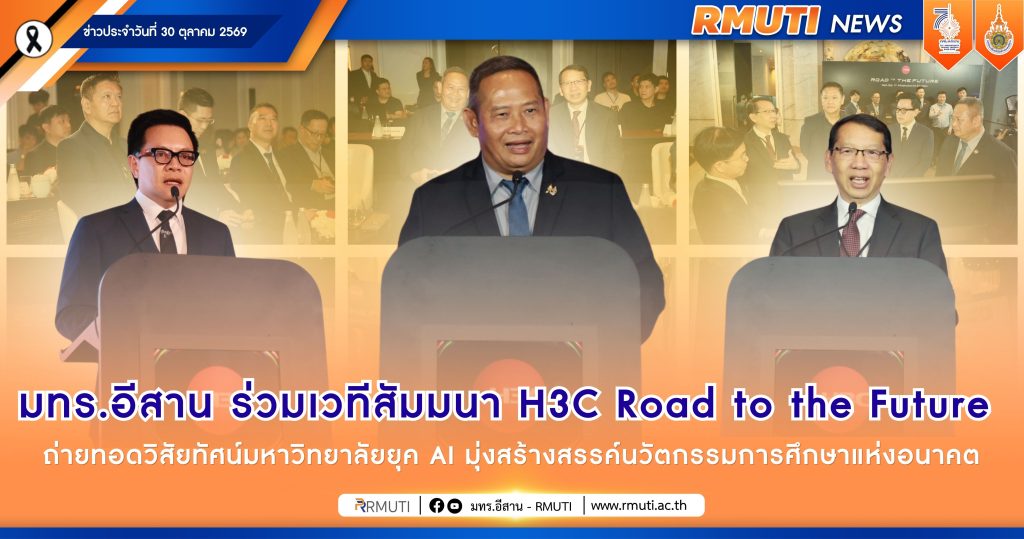
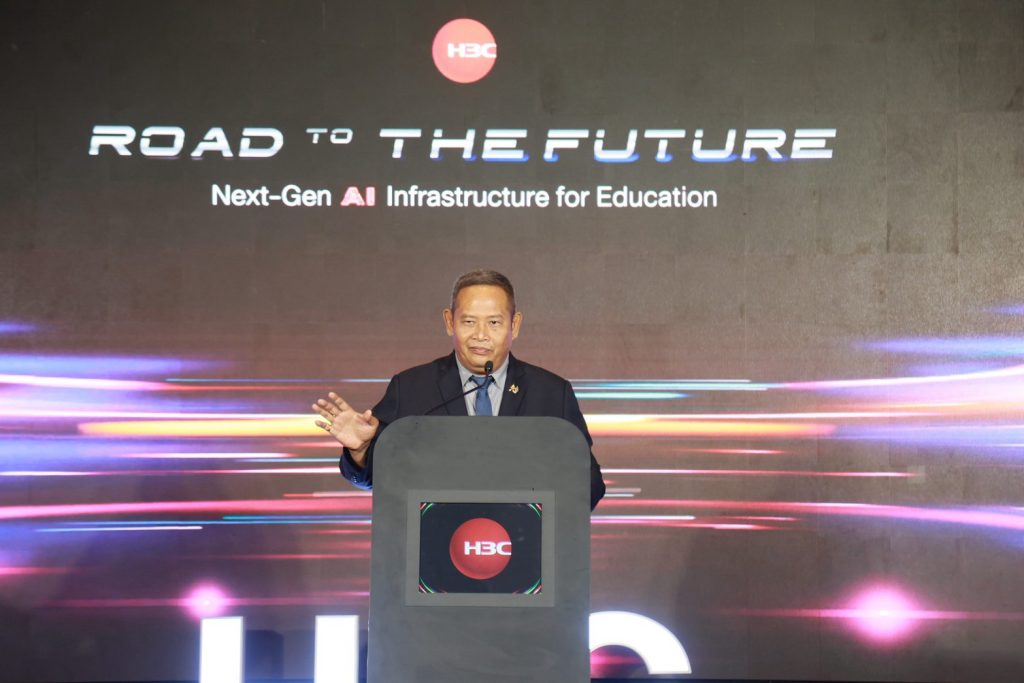
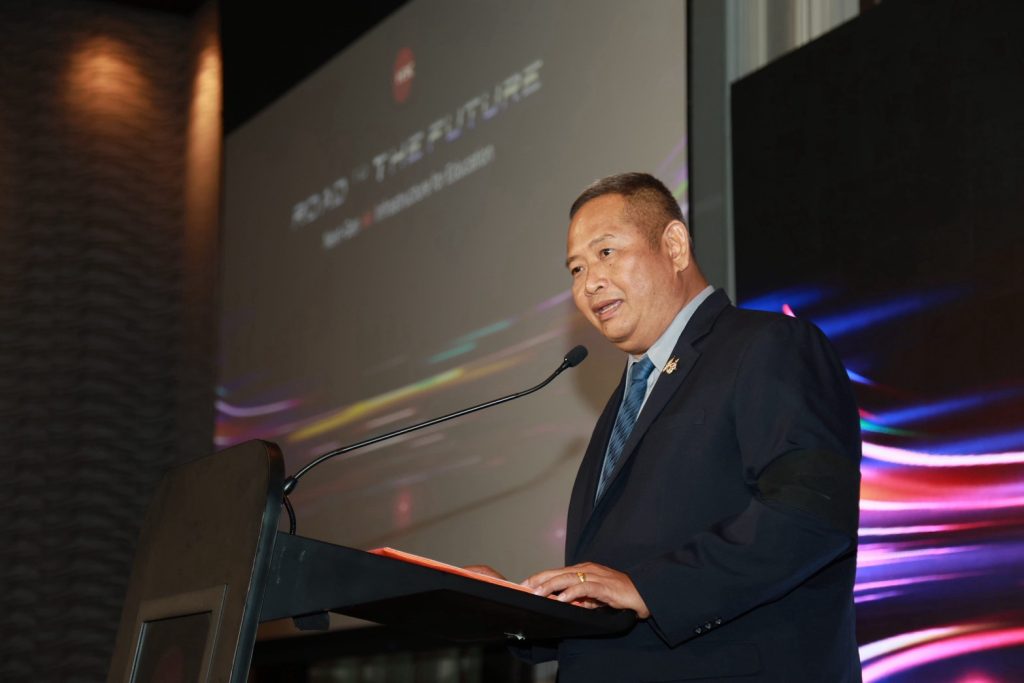
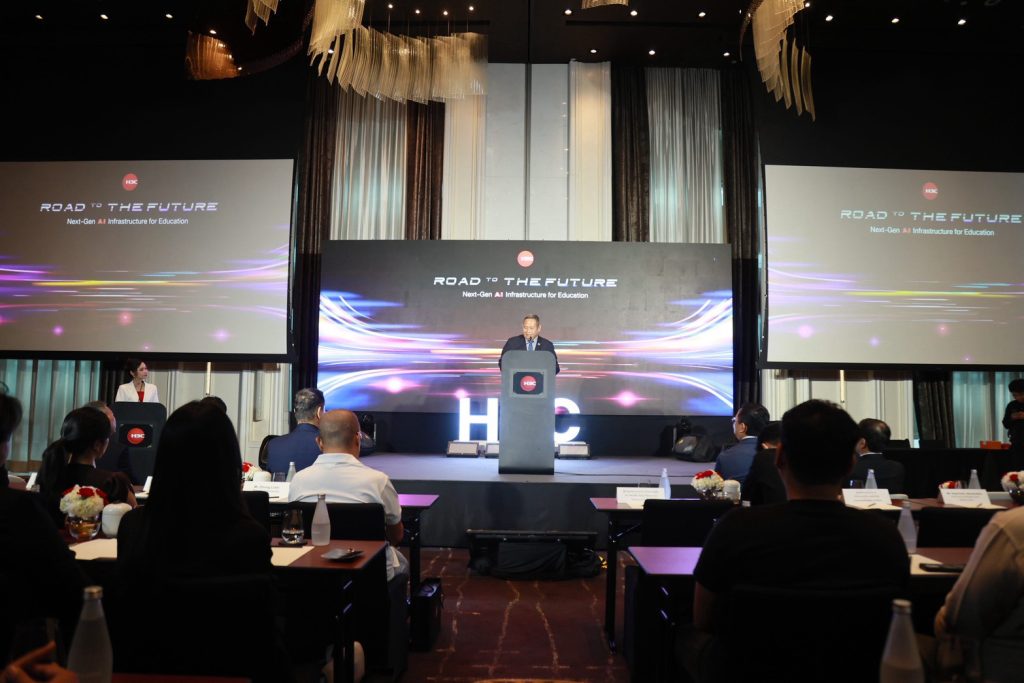
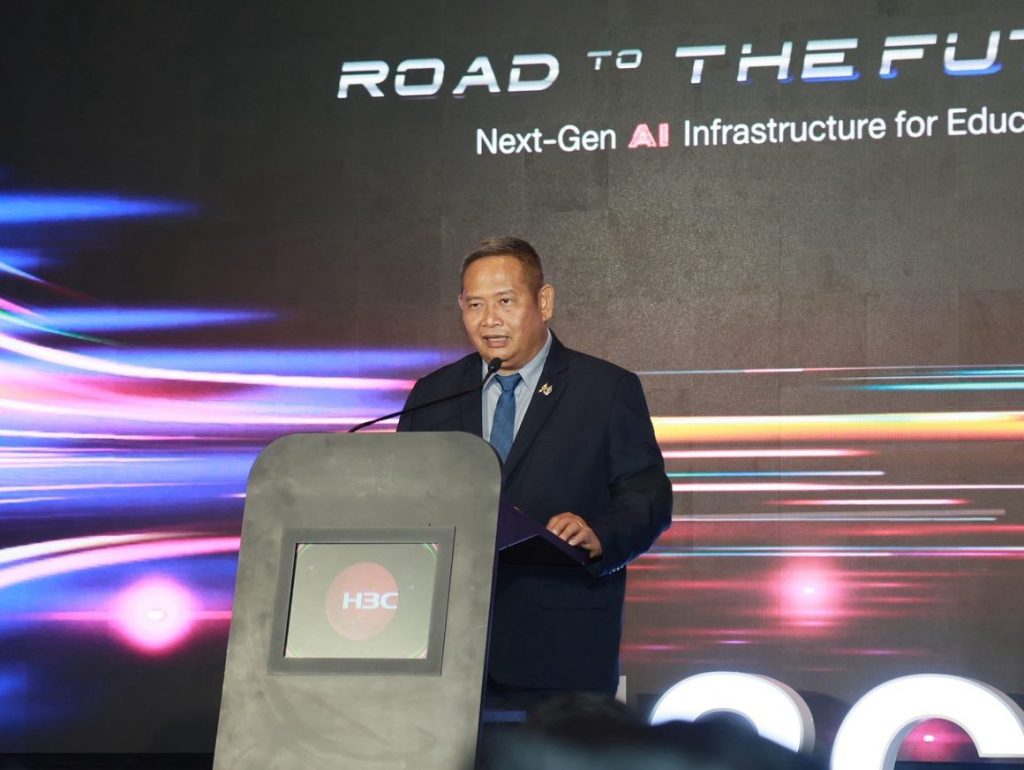
On October 30, 2569, Rajamangala University of Technology Isan, led by Associate Professor Dr. Kosit Sripootorn, President of Rajamangala University of Technology Isan and Chairman of the Council of Presidents of Rajamangala University of Technology (CUPT), participated in the seminar “H3C Road to the Future: Next-Gen AI Infrastructure for Education.” This forum served as a platform for exchanging knowledge and visions on developing artificial intelligence (AI) infrastructure for the education sector, as well as approaches to applying technology to enhance teaching, research, and human resource development. The event was held at the Pavilion Ballroom, Rosewood Bangkok. The opening ceremony was honored by the presence of Mr. Piriya Kembol, a distinguished member of the University Council and former Thai Ambassador to the People's Republic of China, who delivered a welcoming speech.
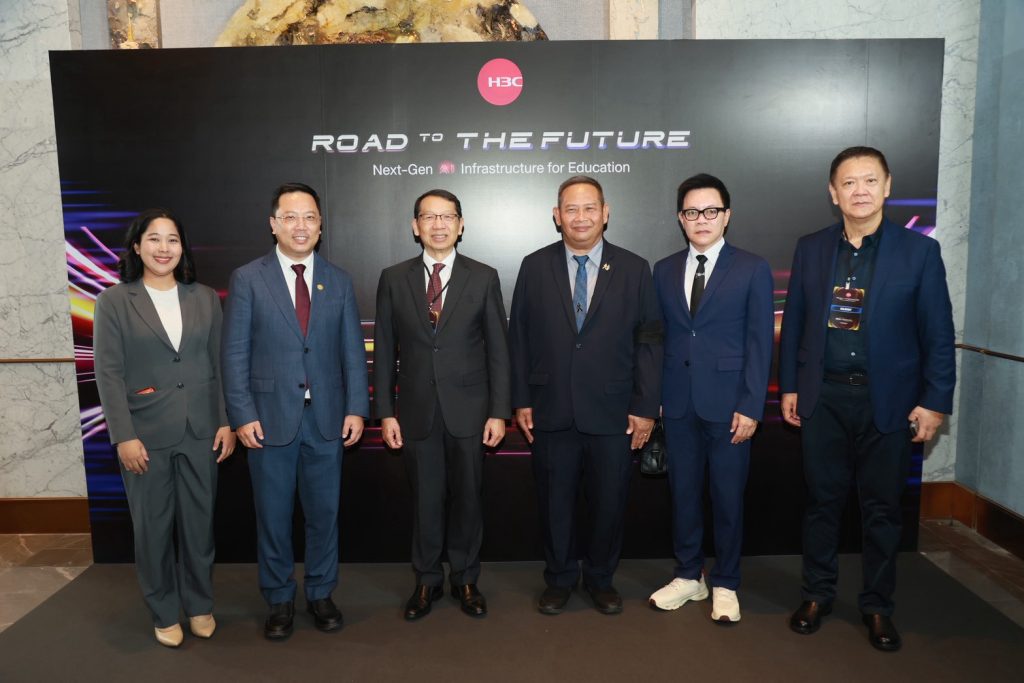
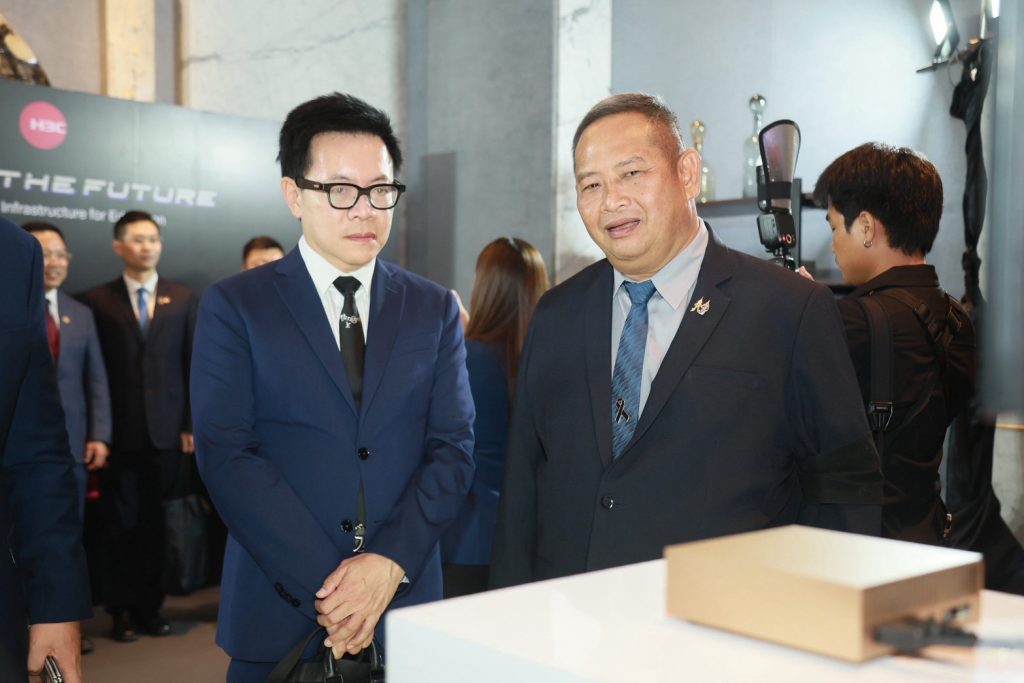
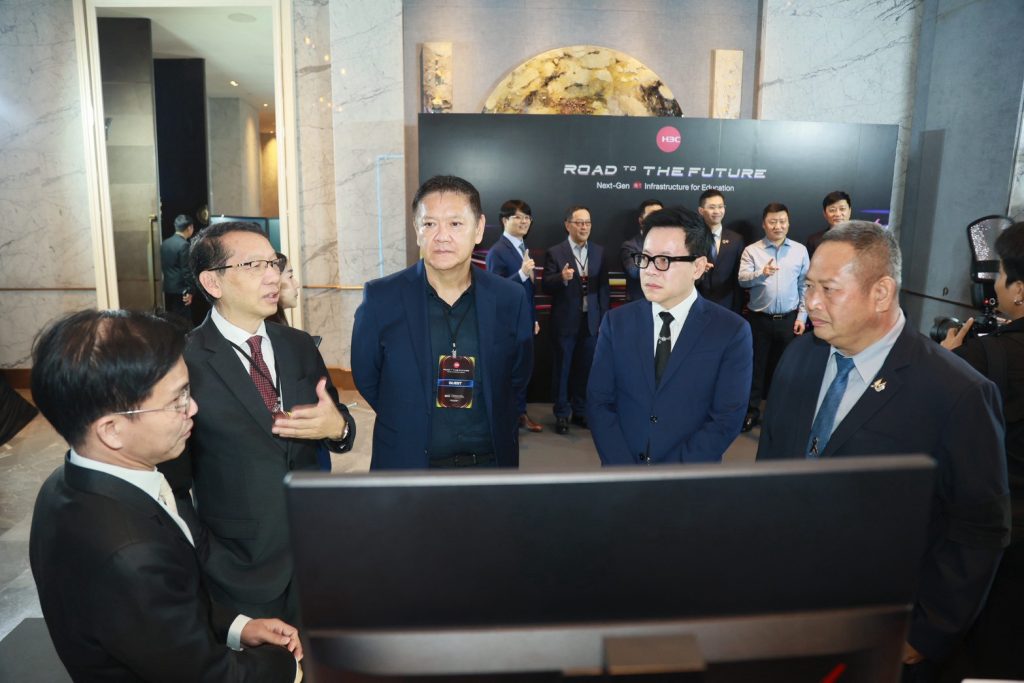
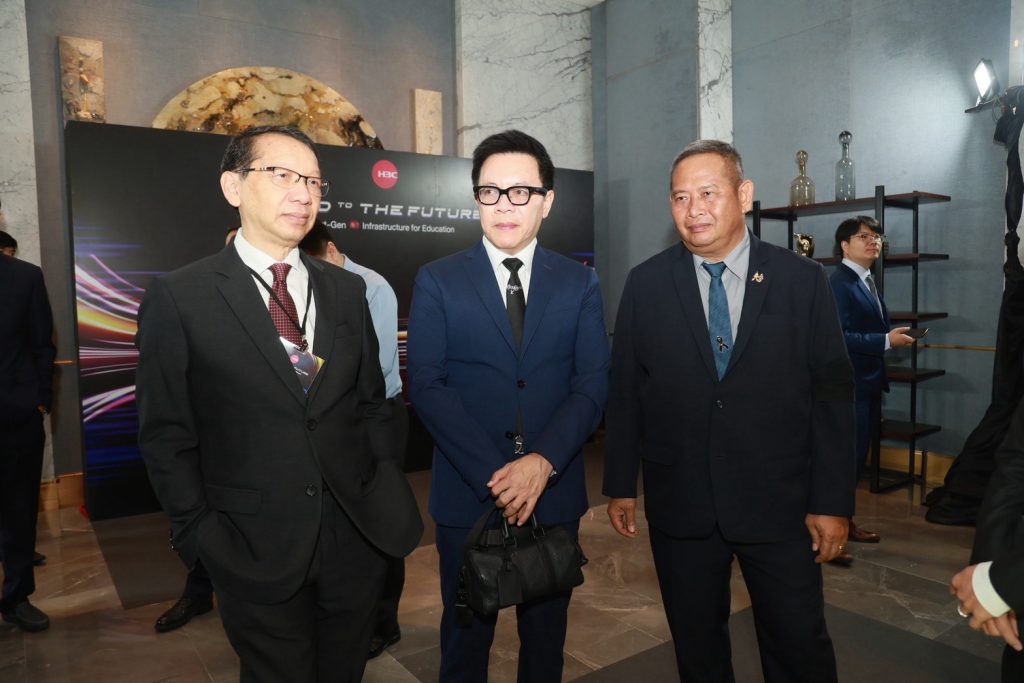
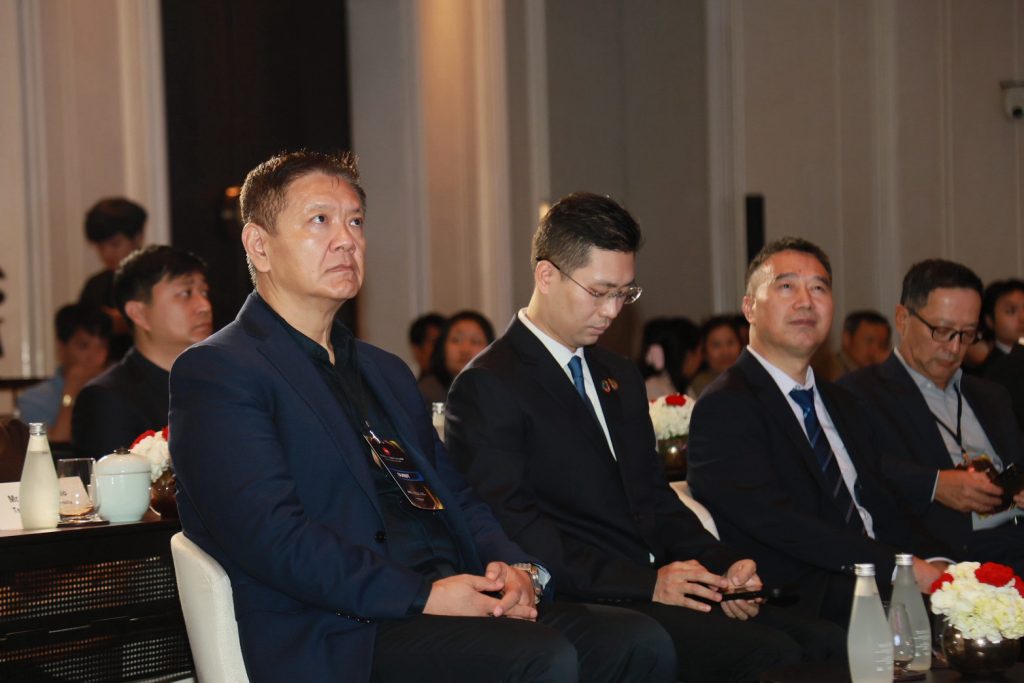
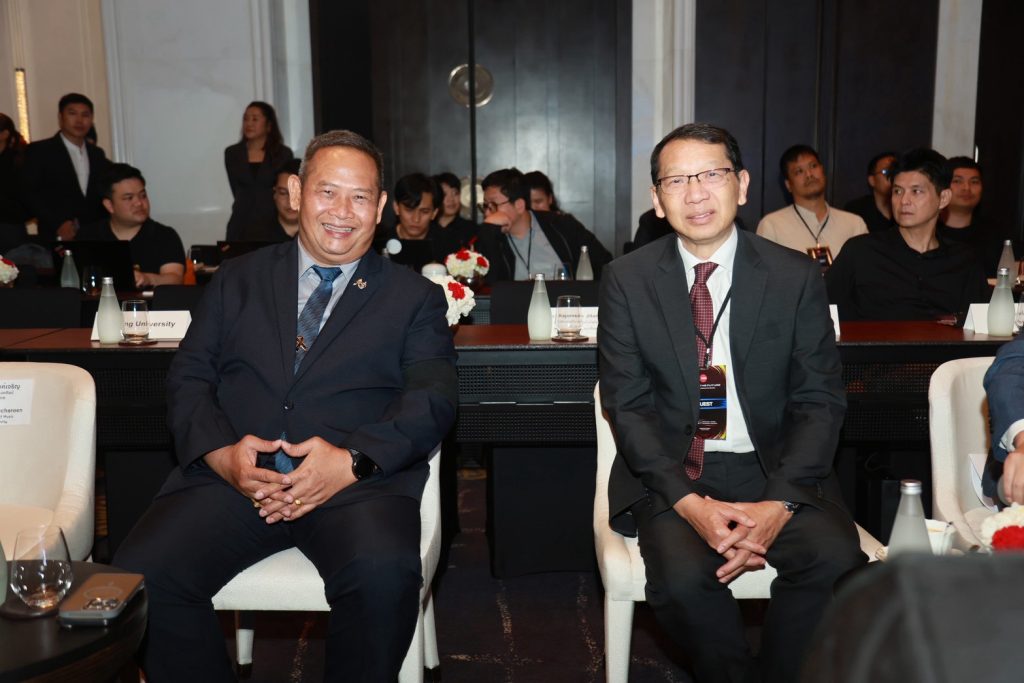
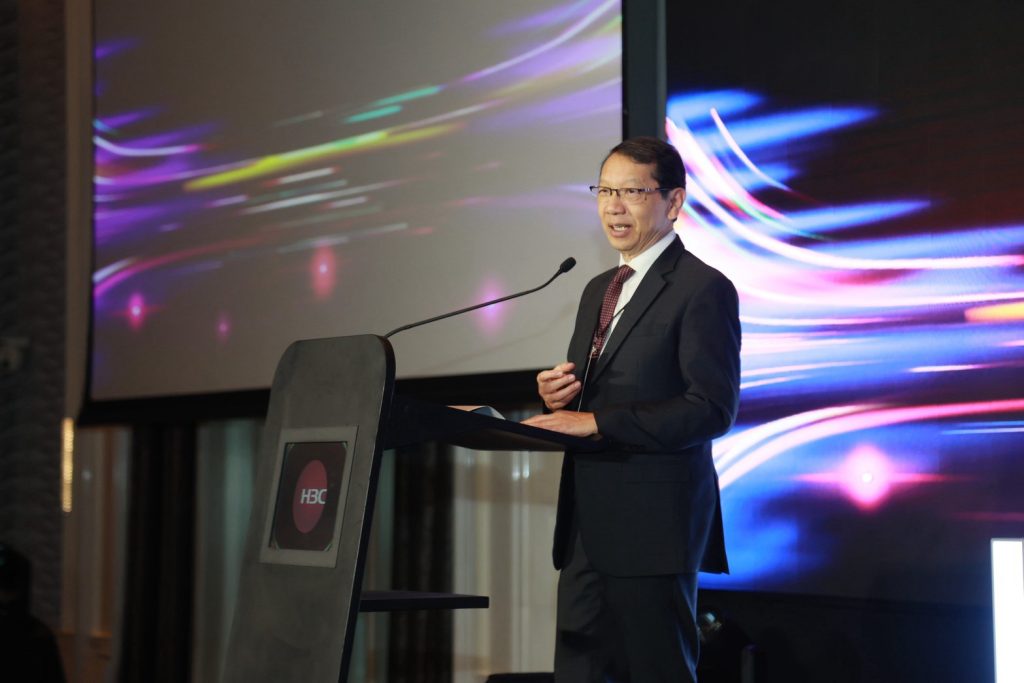
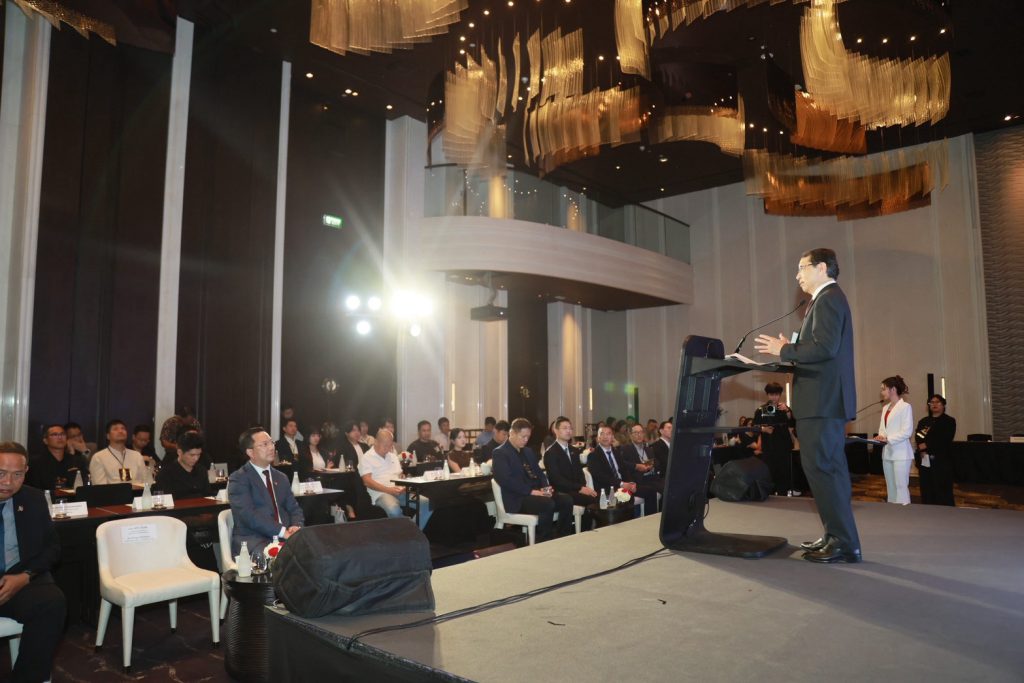
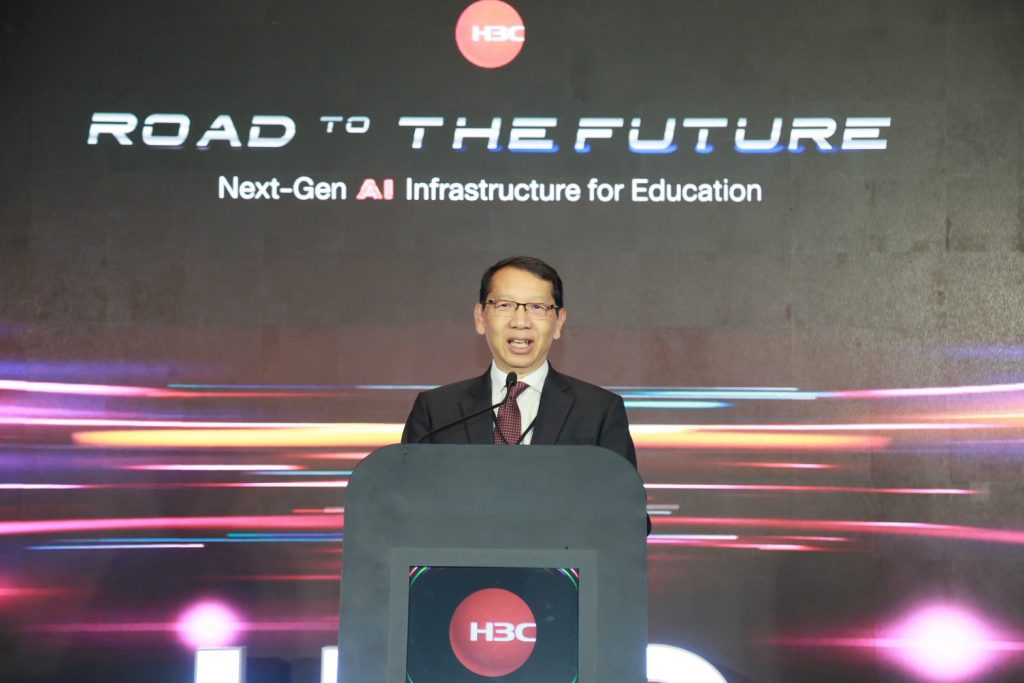
Following this , Associate Professor Dr. Kosit Sripootorn, President of RMUTI and Chairman of the Council of Presidents of Rajamangala University of Technology (RMUT) , conveyed his vision for higher education and the direction of universities' preparedness for the AI era. He discussed the role of artificial intelligence (AI) in rapidly transforming learning, work, research, and organizational management. He stated that AI is no longer merely an optional technology but a crucial tool for enhancing the quality of education, developing human resources, and strengthening the country's competitiveness. He also championed the ONE RMUT concept, an innovative university, by consolidating and integrating the capabilities of all nine Rajamangala University of Technology campuses to produce highly competent graduates who meet the needs of the industrial sector and drive the transition from a Teaching University to a Technology and Innovation University, focusing on using technology, research, and innovation as key mechanisms for national development.
Associate Professor Dr. Khosit Sripuhtorn further stated that the network of nine Rajamangala University of Technology campuses has a combined student body of over 139,000 students, along with AI capabilities totaling 1,257 personnel, 90 degree programs, and 36 non-degree programs. This is considered a crucial asset in developing human resources with the knowledge and skills to align with future technological changes. Preparing universities for the AI era requires systematic action in three areas: Firstly, developing digital infrastructure to efficiently support AI use, encompassing network systems, computing, data storage, and cybersecurity. Secondly, enhancing the skills and capabilities of students, faculty, and staff to apply AI alongside analytical thinking, problem-solving, innovation, and ethical use of technology. Thirdly, connecting technology with research and practical applications through the development of innovations that can be further developed and utilized concretely.
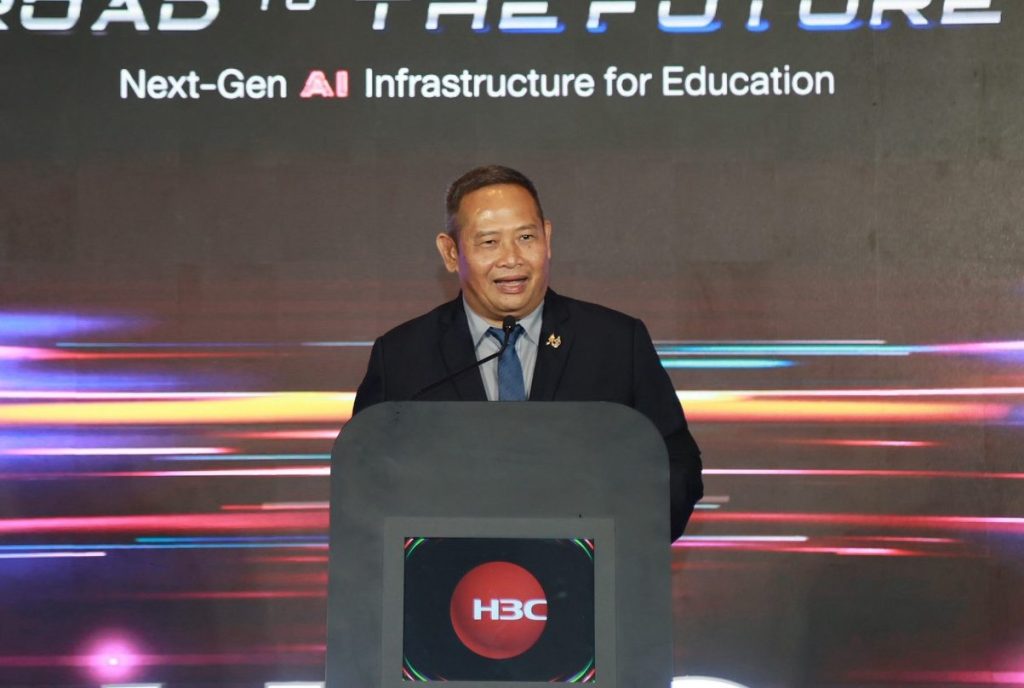
Subsequently, Assistant Professor Dr. Apichat Tiraprasertsin, Vice President for Digital Technology, Information, and University Council Affairs, delivered a presentation on the topic "RMUTI'S VISION FOR AN AI-READY UNIVERSITY: Creating Innovative Education for the Future." He conveyed RMUTI's vision and development direction to prepare for the changes in the era of artificial intelligence, focusing on the application of AI technology as a tool for developing the education system, management, and innovation to enhance the university's capabilities. The presentation also aimed to prepare students and personnel with the necessary skills to adapt and keep pace with future technological changes.
Participation in this seminar reflects RMUTI's development direction, which focuses on artificial intelligence technology as a key mechanism for future education. This includes prioritizing the development of digital infrastructure, enhancing human resource capabilities, and applying technology in teaching and research to improve educational quality and drive the university towards becoming a Technology and Innovation University capable of creating innovations and addressing national development needs sustainably.