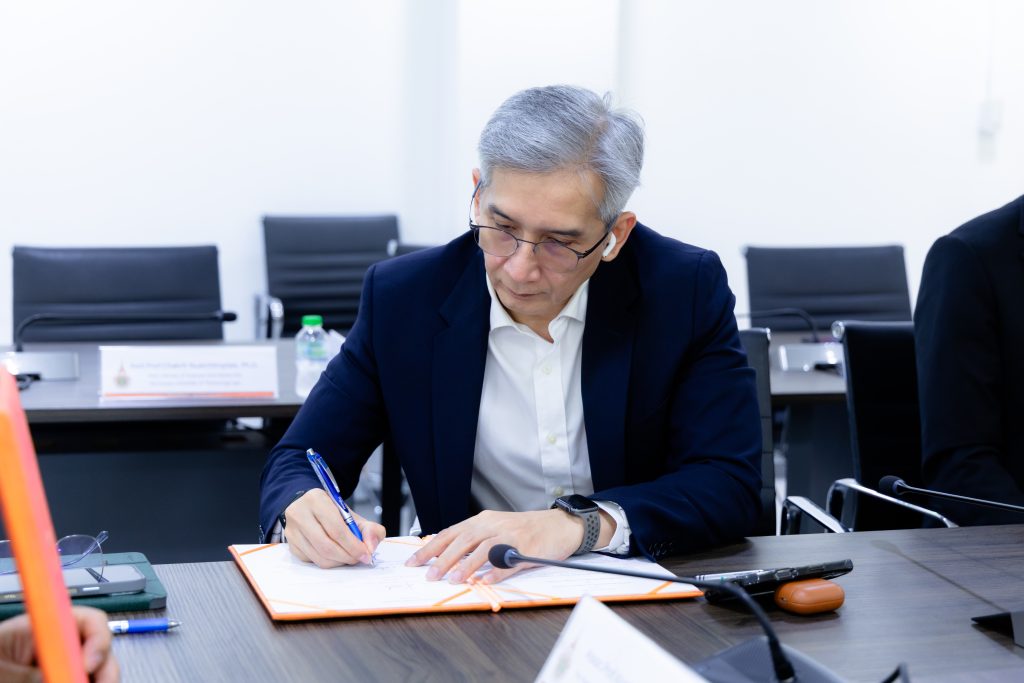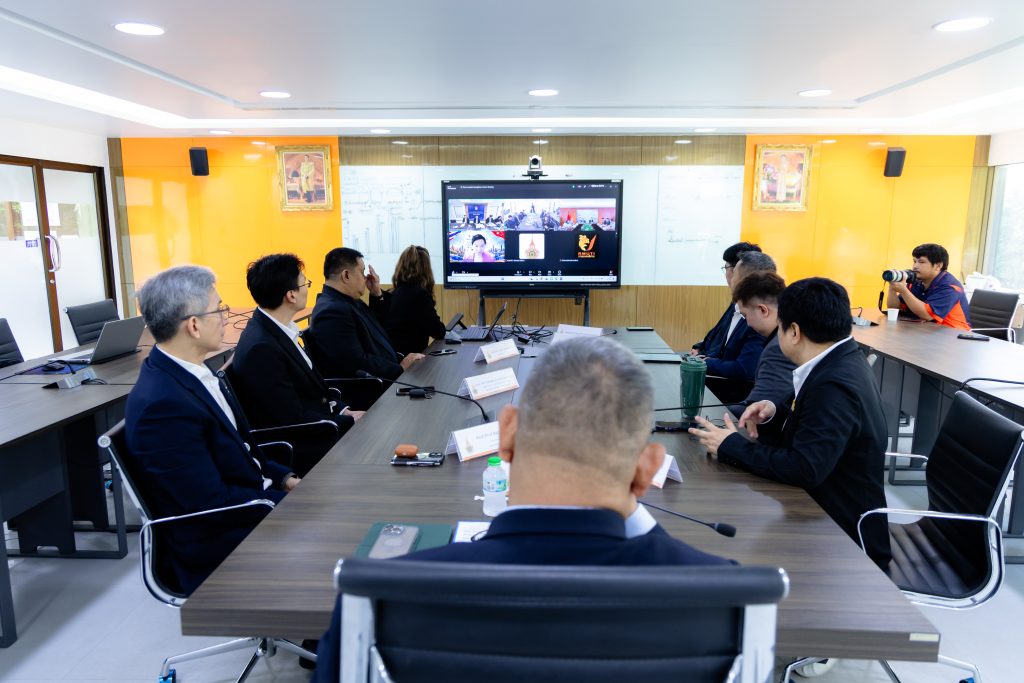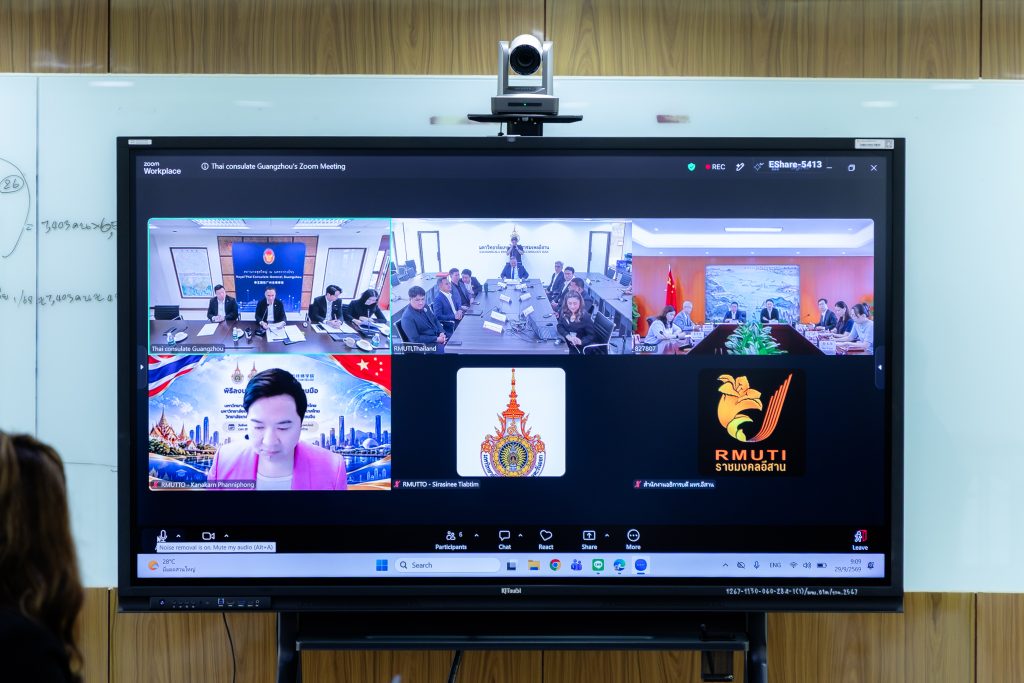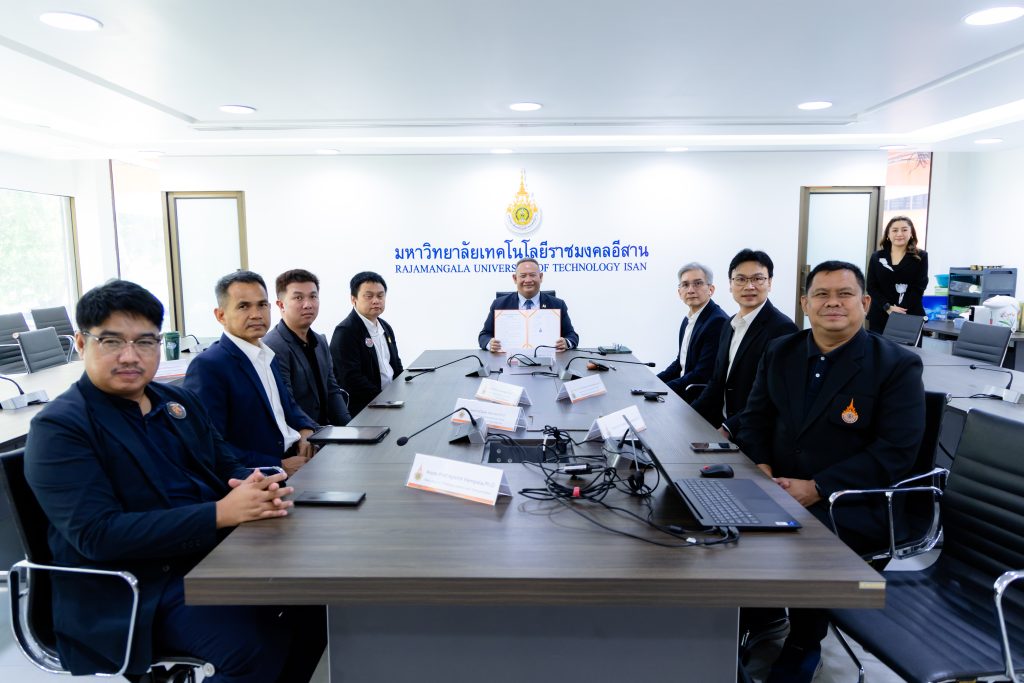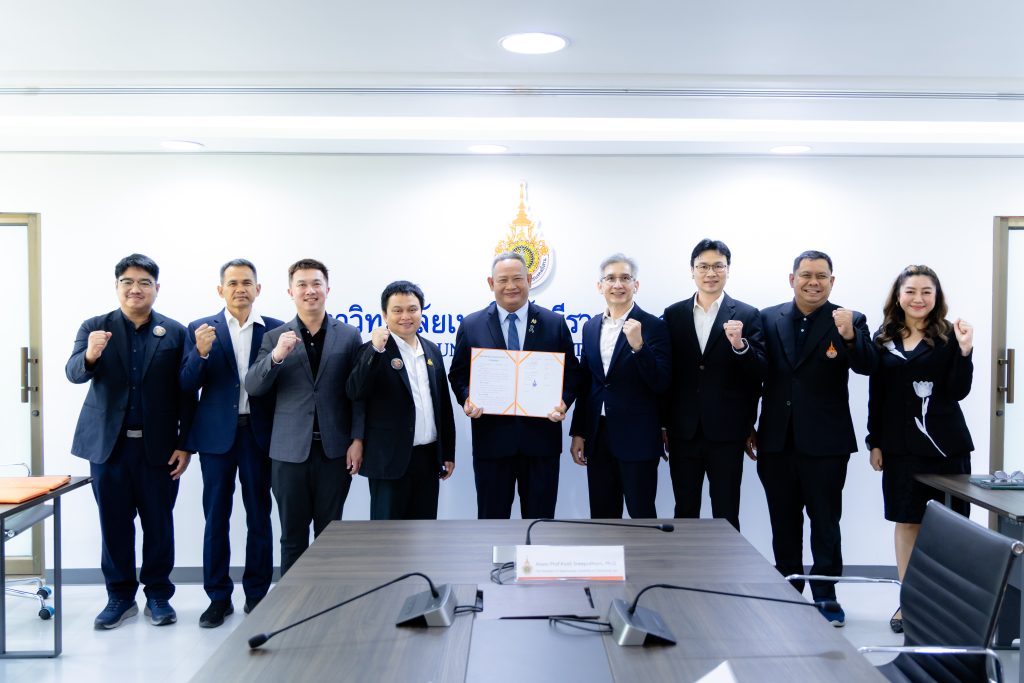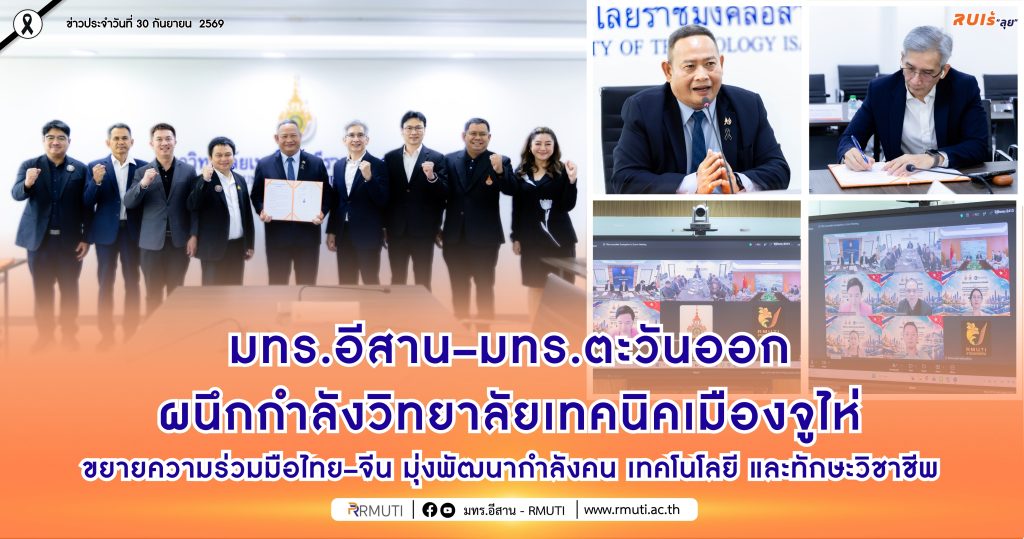
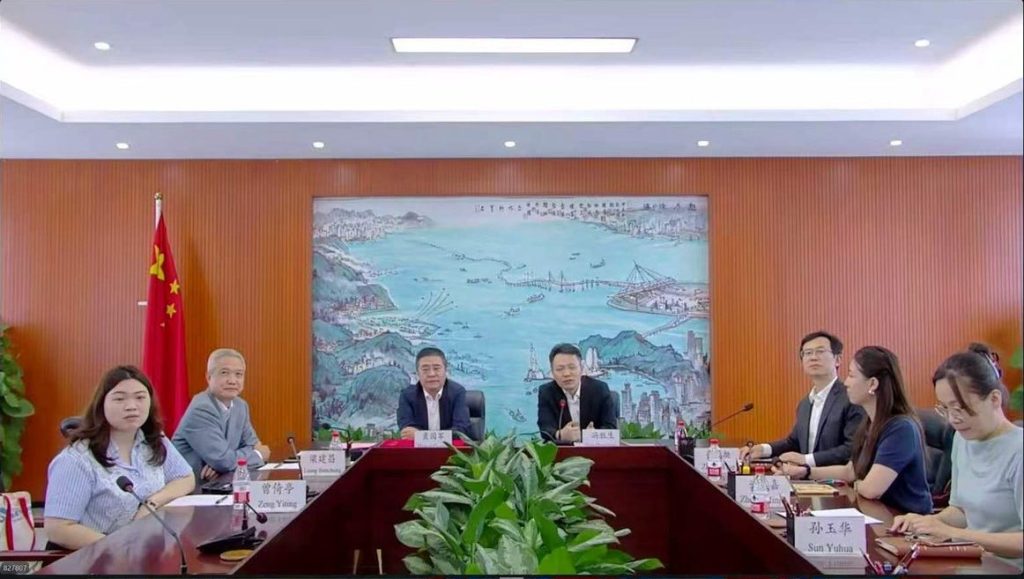
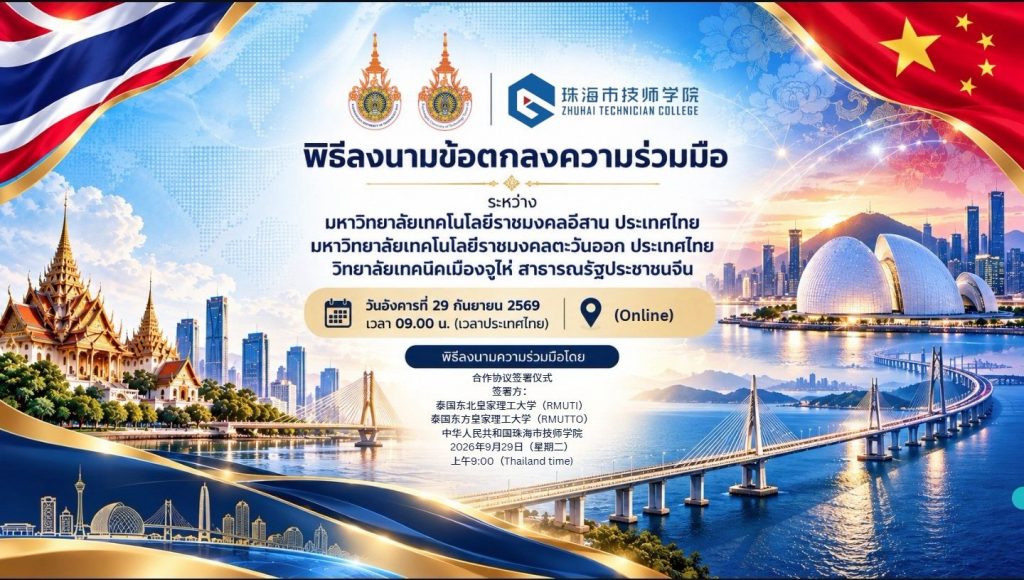
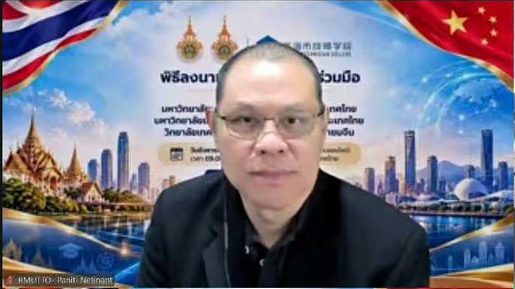
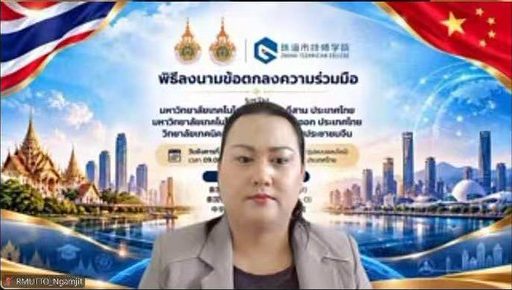
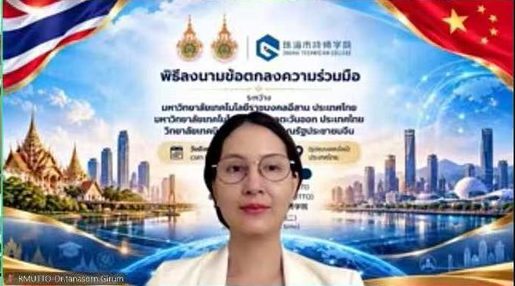
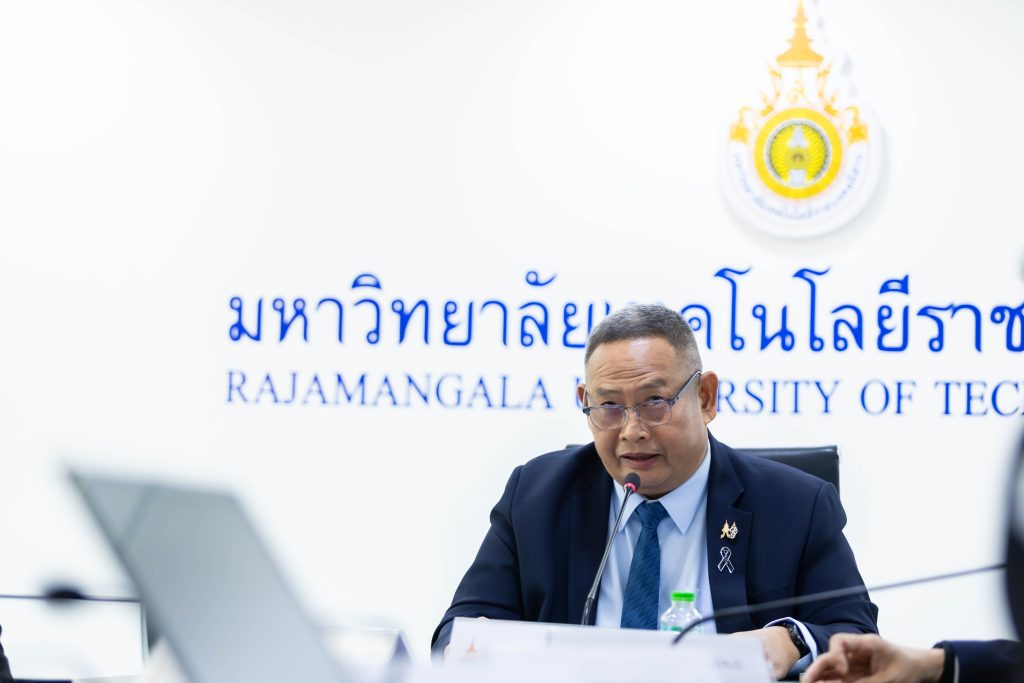
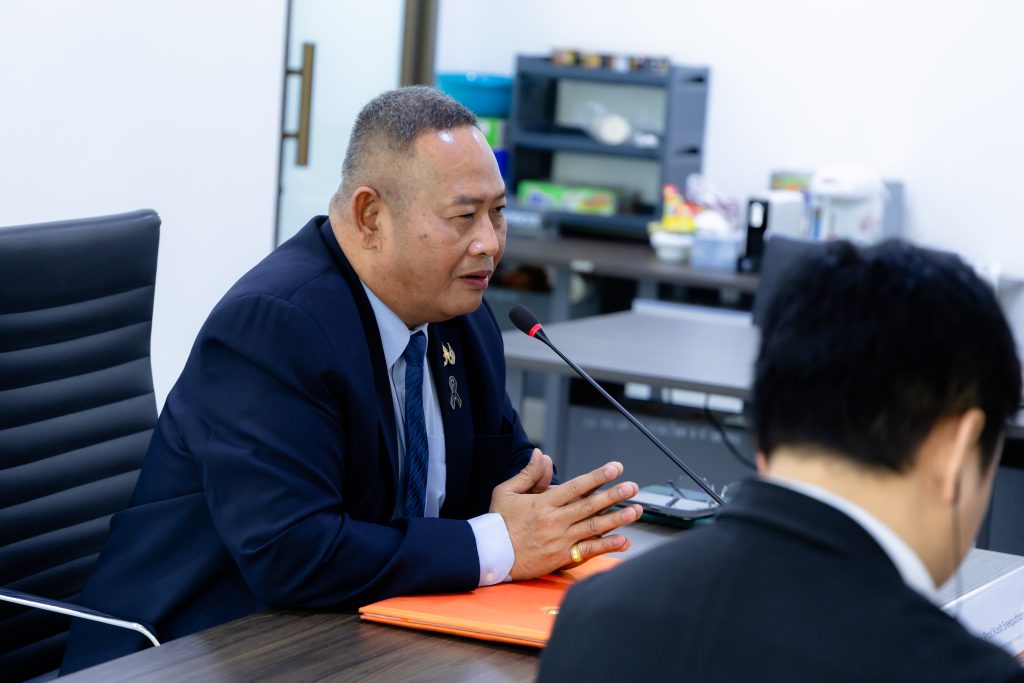
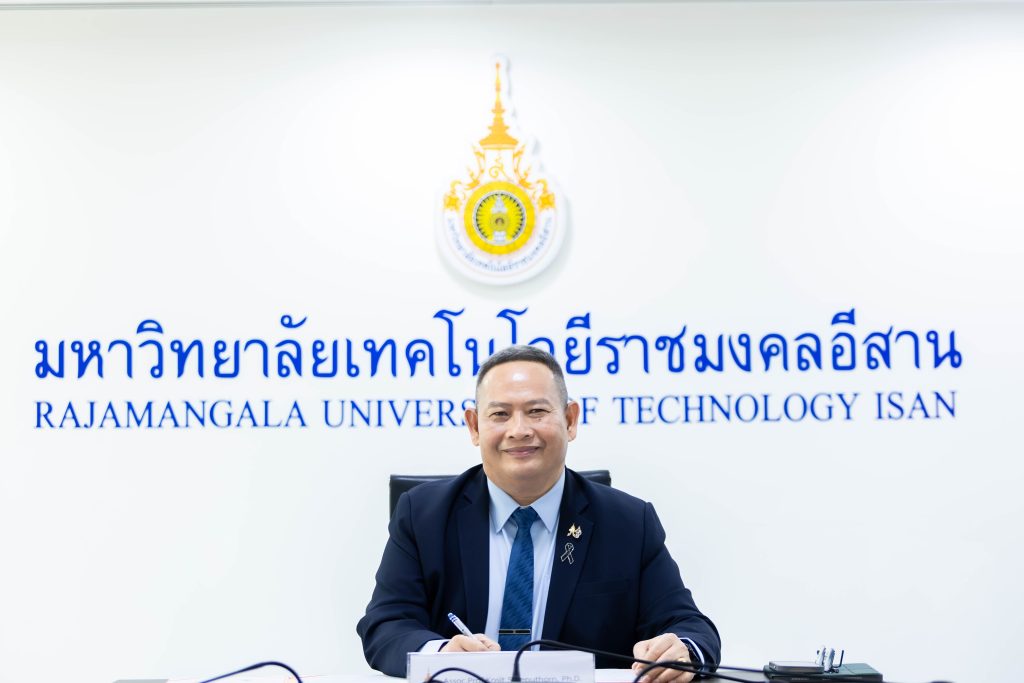
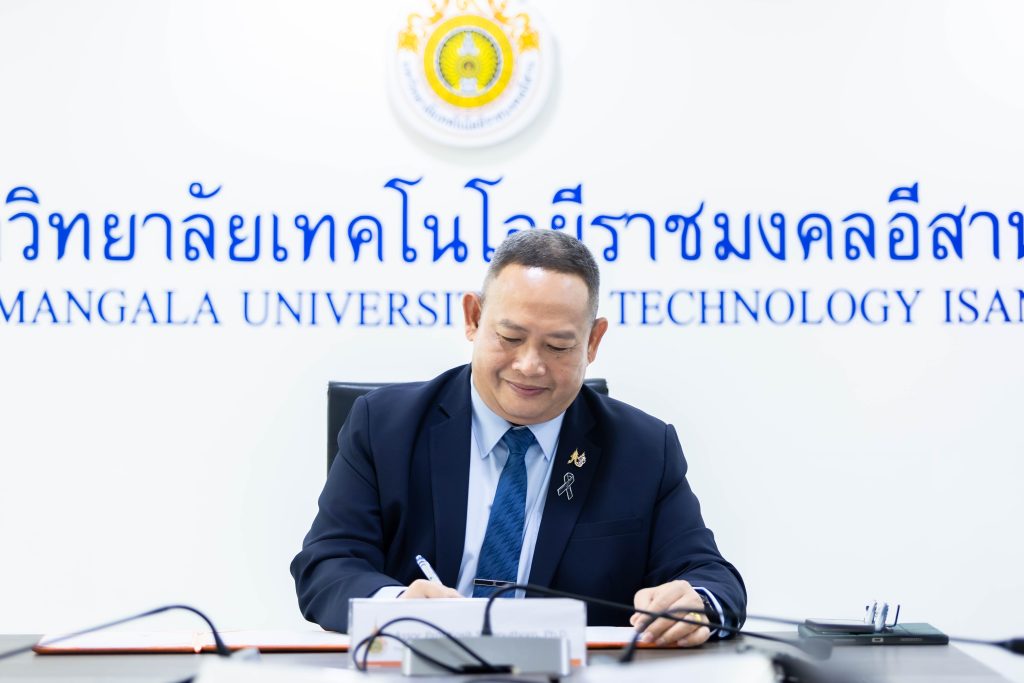
On September 29, 2569, Rajamangala University of Technology Isan, represented by Associate Professor Dr. Kosit Sripootorn, President of Rajamangala University of Technology Isan and Chairman of the Council of Presidents of Rajamangala University of Technology (CUPT), together with Rajamangala University of Technology Eastern, held an online signing ceremony for a cooperation agreement with Zhuhai Technical College ( ZTC), People's Republic of China. The agreement aims to promote cooperation in education, research and development of technology, vocational skills development, and human resource development, as well as to foster the exchange of knowledge and experience and strengthen collaboration between educational institutions and industries in both countries.
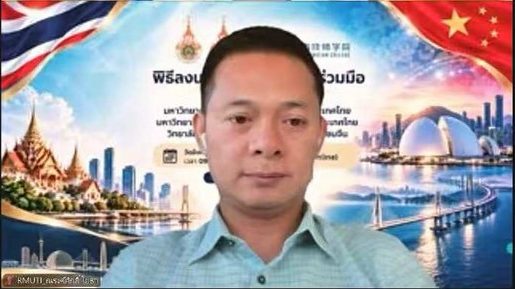
The ceremony was attended by executives from Rajamangala University of Technology Isan, including Assistant Professor Dr. Rabil Phunphai, Vice President for Academic Affairs and International Relations; Associate Professor Dr. Bundit Kritakom, Vice President for Research, Innovation, and Academic Services; Assistant Professor Dr. Chakkaj Chuedee, Assistant to the President; Associate Professor Dr. Cherdsak Sukshiripattanapong, Dean of the Faculty of Engineering and Technology; Associate Professor Dr. Apichit Khampala, Dean of the Faculty of Rail Systems and Transportation; and Dr. Aniruth Pipatprapha, Dean of the Faculty of Business Administration.
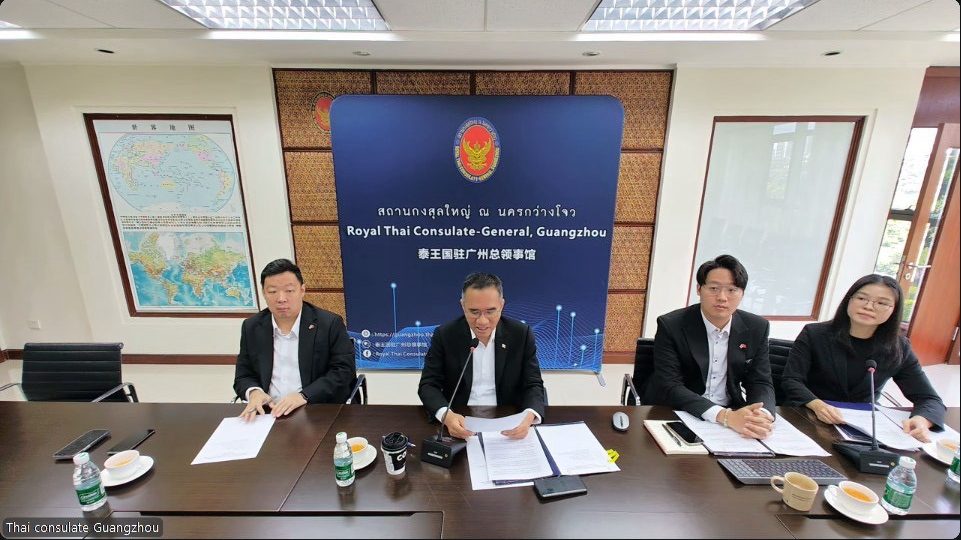
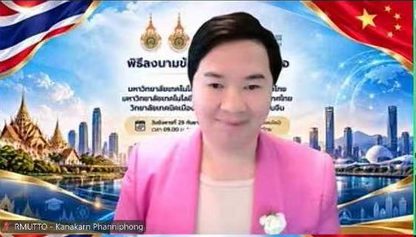
The signing ceremony was attended by Associate Professor Dr. Khanakarn Phannipong, Vice President and representative of the President of Rajamangala University of Technology Eastern, along with executives from Rajamangala University of Technology Eastern, as well as executives and representatives from relevant agencies in Thailand and the People's Republic of China . The Consul General of Thailand in Guangzhou and the Director of the Foreign Affairs Office in Zhuhai also graced the ceremony with their presence. This reflects the importance of establishing a network of cooperation in education, skills development, and human resource development between Thailand and the People's Republic of China.
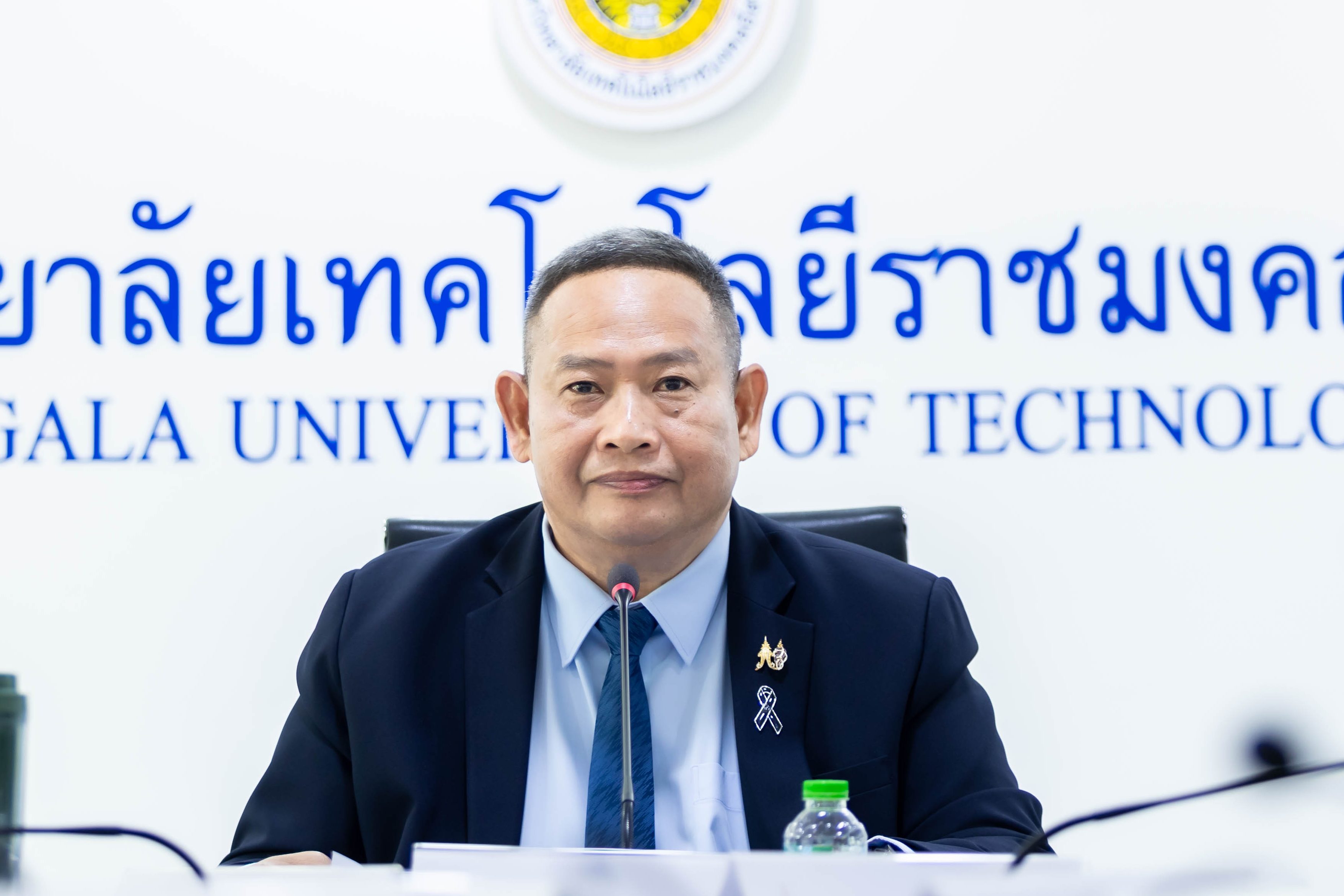
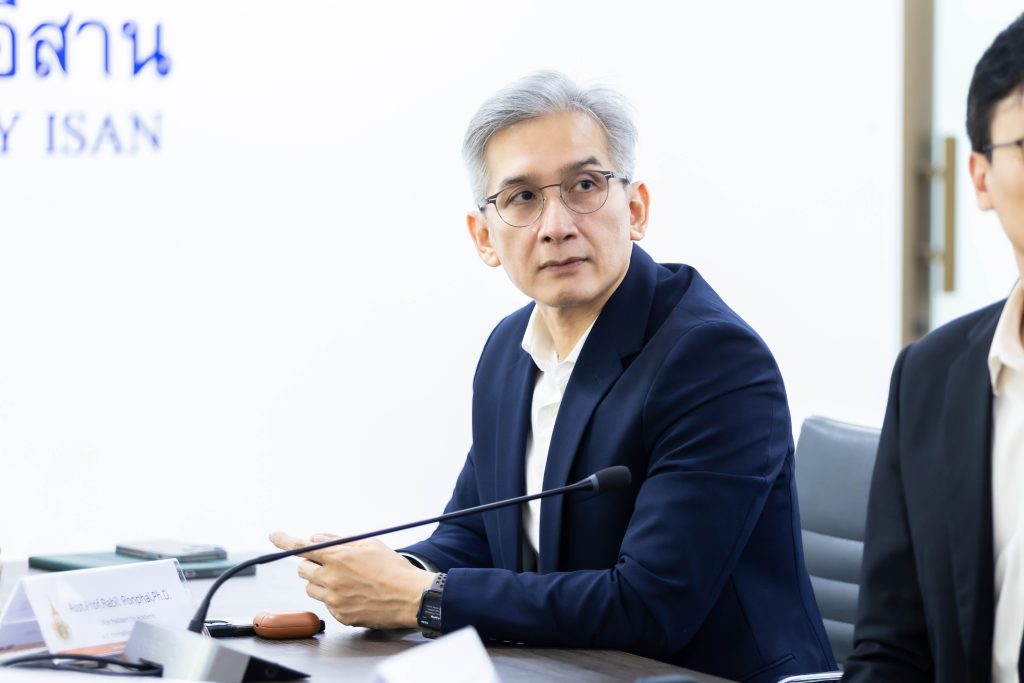
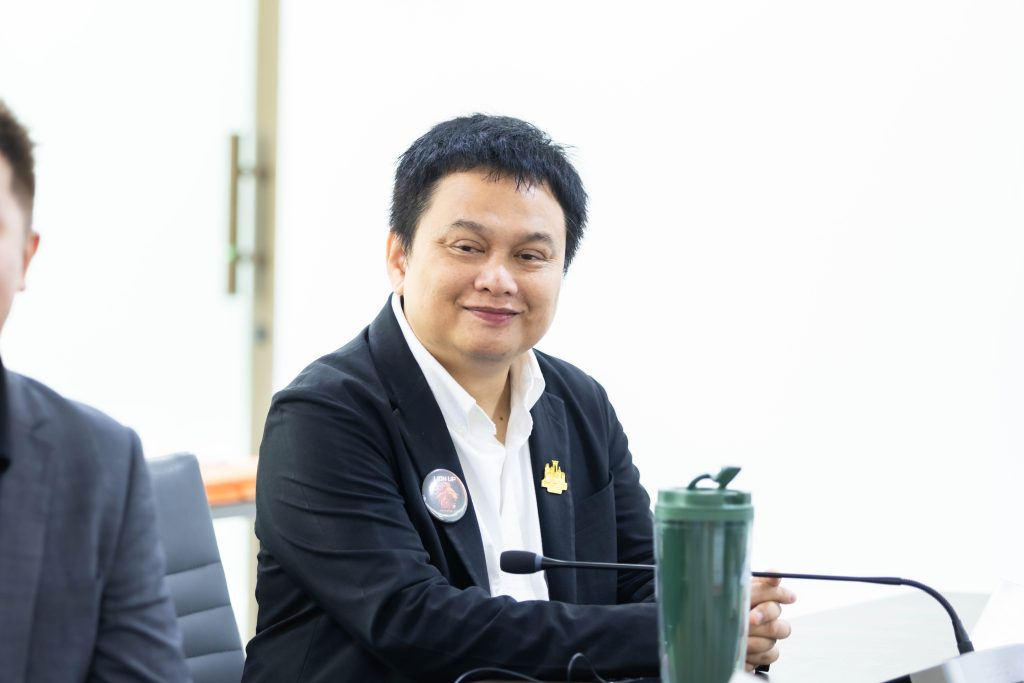
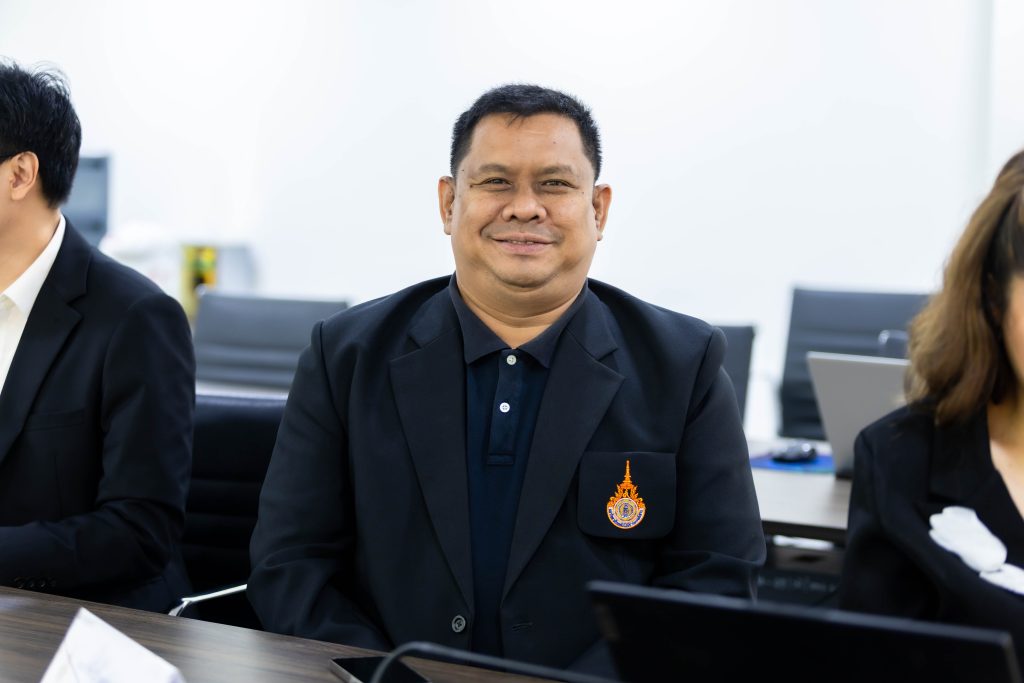
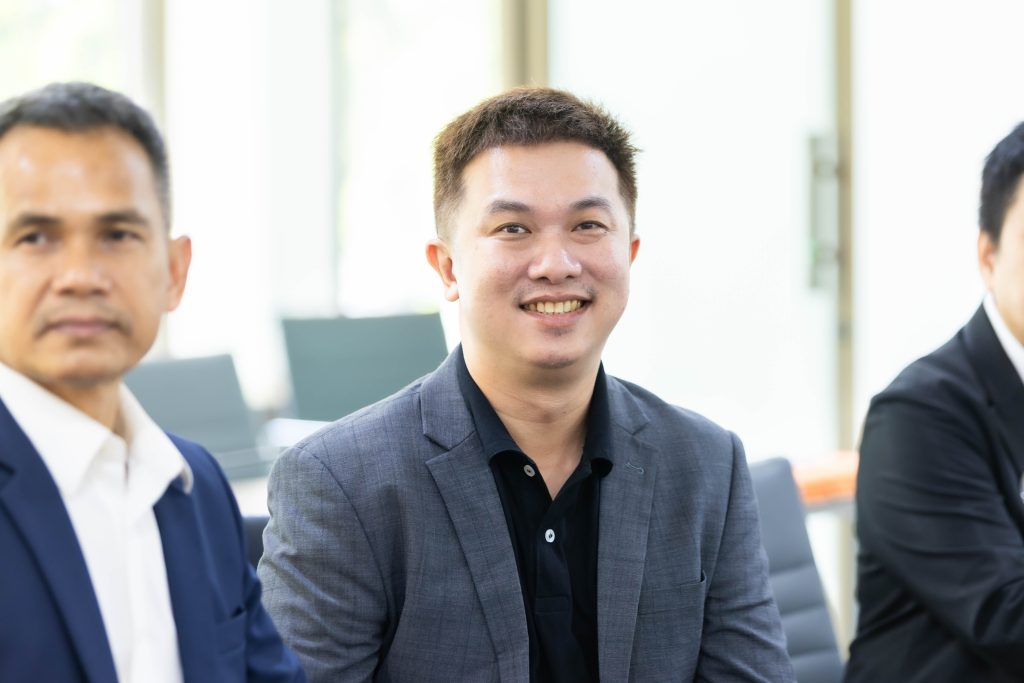
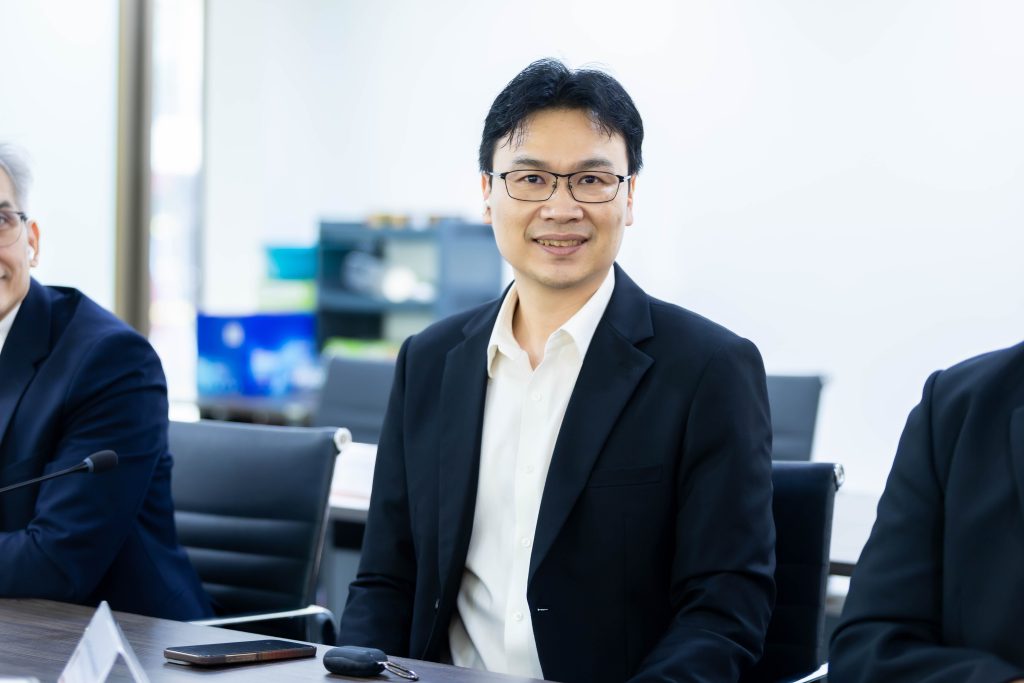
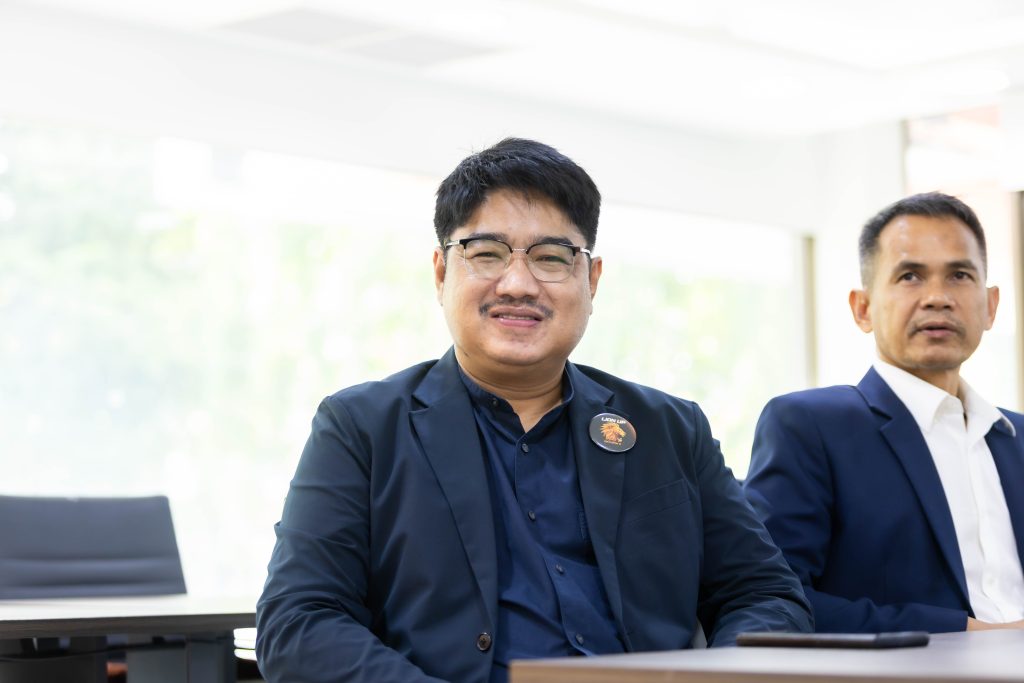
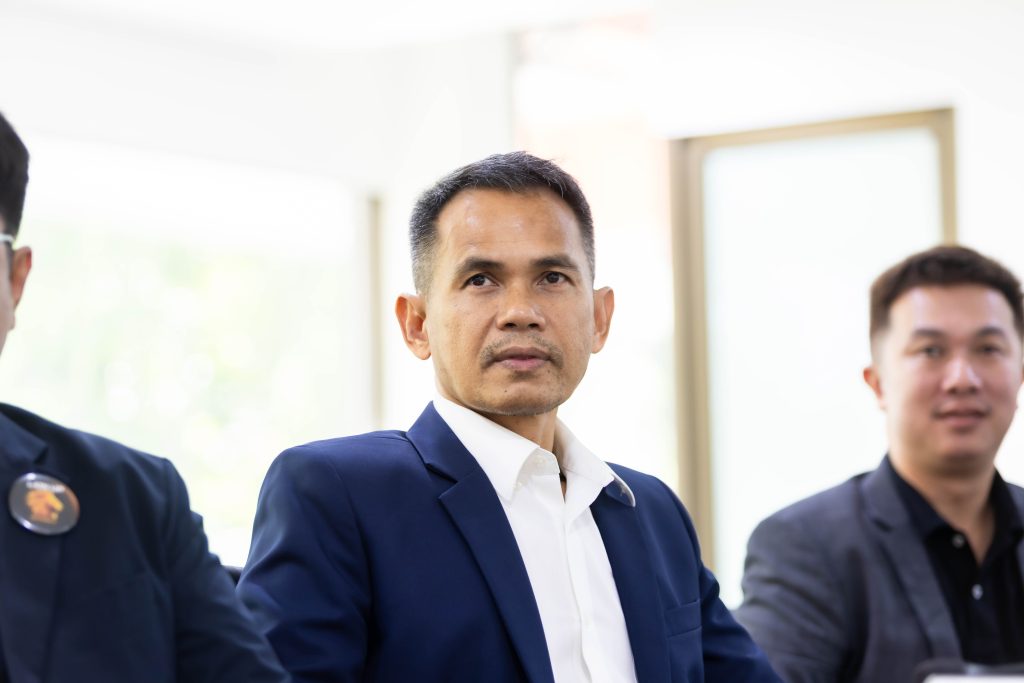
Associate Professor Dr. Khosit Sripuhtorn stated that the core of RMUTI's educational management is "human development," focusing on developing students with high levels of knowledge, skills, and competencies. The aim is to cultivate students who can apply their knowledge in real-world situations and meet the needs of the industrial sector, preparing them to enter both domestic and international job markets.
In this approach, RMUTI prioritizes collaboration with educational institutions in Zhuhai, viewing cooperation not limited to education but as creating a system connecting "education – people – skills – technology – industry." This allows each sector to support and complement each other, leading to the development of a workforce aligned with the current global work context.
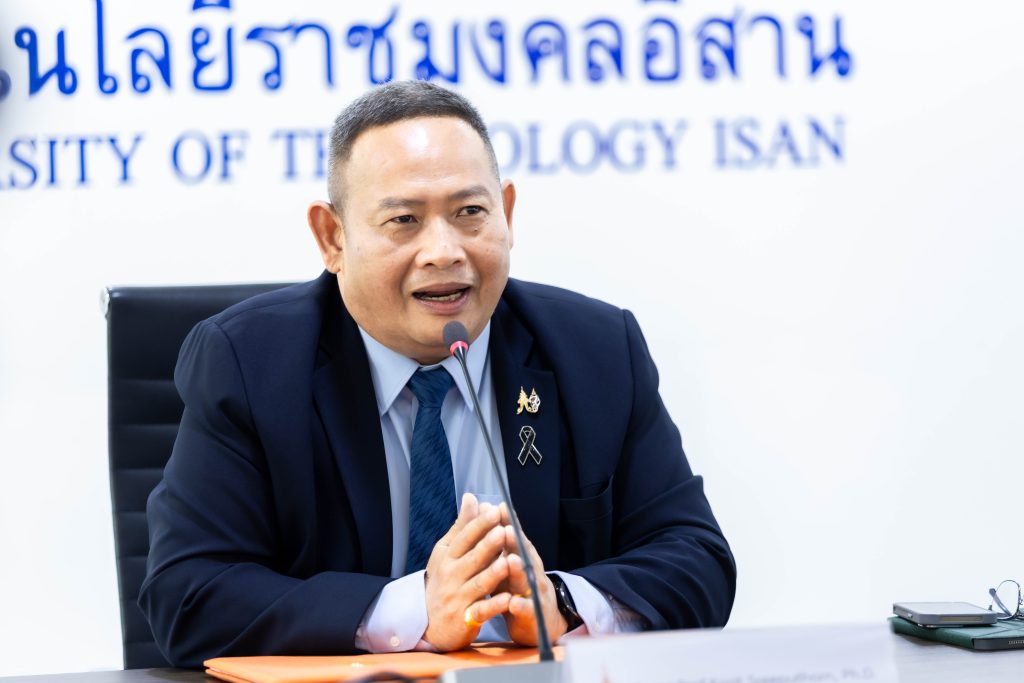
One of the areas of cooperation that RMUTI prioritizes is the training and skills development of the workforce in Thailand's Eastern Economic Corridor (EEC). This aims to upgrade the skills and competencies of the human resource to align with technological changes and the evolving needs of the industrial sector, leveraging cooperation and knowledge from educational institutions in both countries.
At the same time, it aims to promote student exchange programs between RMUTI and Zhuhai Technical College, providing students with opportunities to learn academic subjects, professional skills, technology, as well as work experience and culture from both countries. This will help enhance their work skills in diverse environments and prepare them for international careers.
Associate Professor Dr. Khosit further added that linking education with human resource development, and connecting people with industry, will help create a workforce with skills that match the needs of the labor market. At the same time, it will create new opportunities for students, businesses, and educational institutions in both countries. The cooperation will focus on the practical application of knowledge and skills.
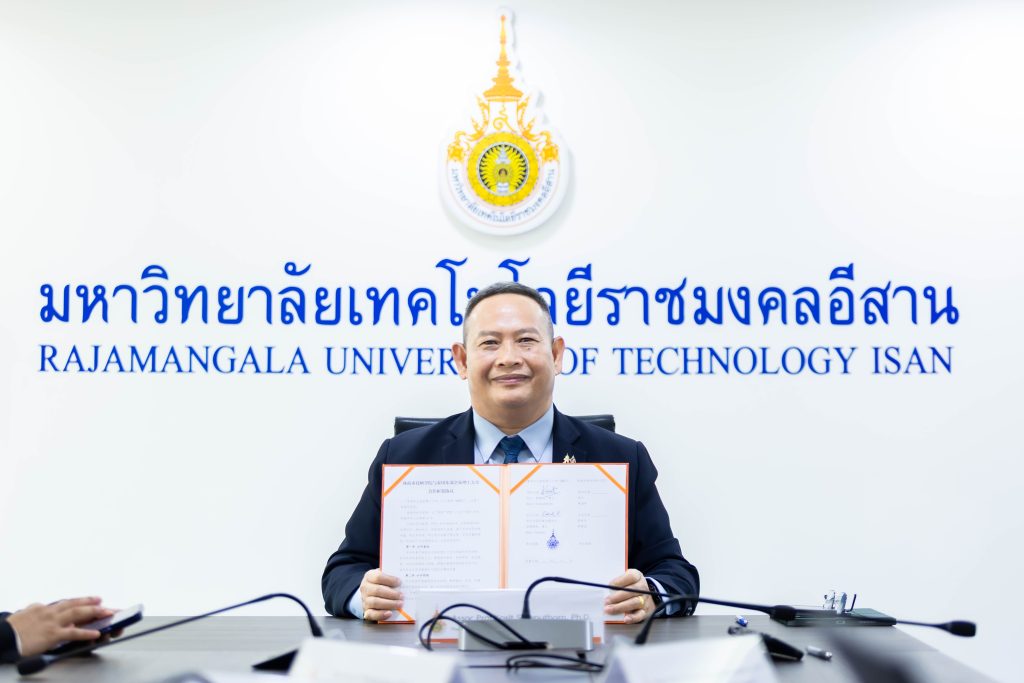
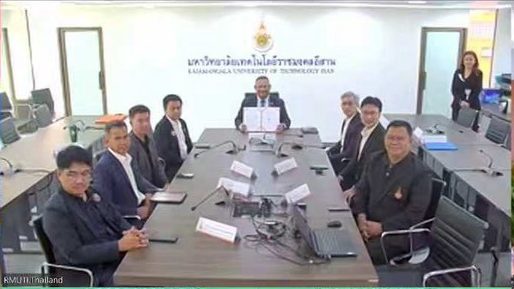
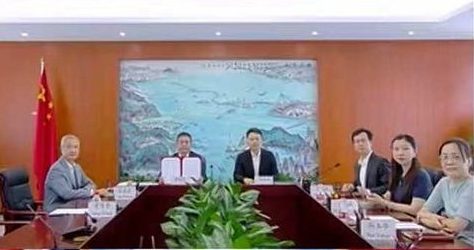
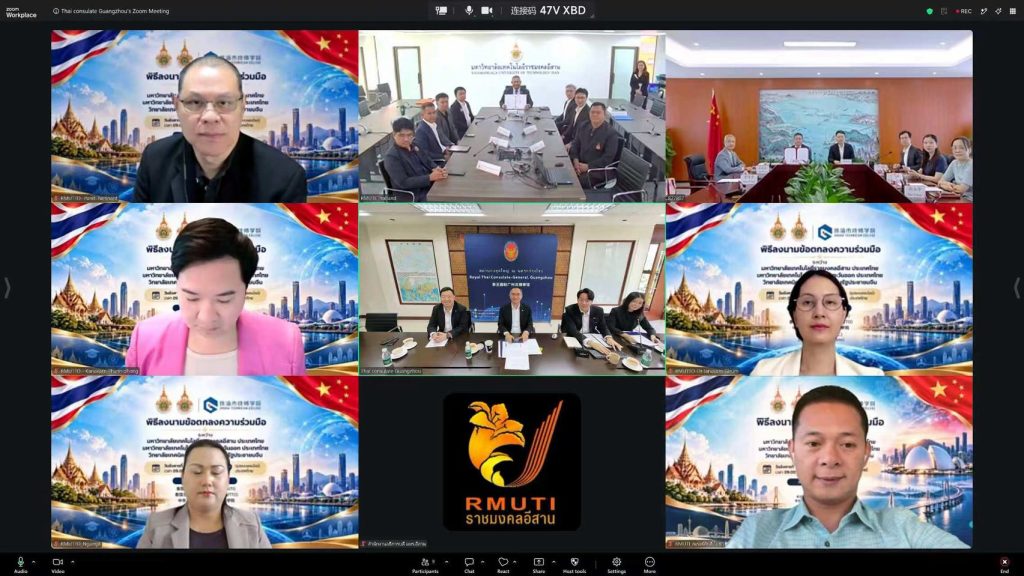
The framework for cooperation under this agreement covers student and personnel exchange, vocational training and skills development, study visits, practical learning, curriculum development, as well as the exchange of knowledge, technology, and experience. This also includes cooperation in research and development of technology, scientific research, vocational education, academic conferences and seminars, skills competitions, and cultural exchange.
Furthermore, both parties have a shared approach to promoting applied research projects, the development of technology personnel, the practical application of knowledge, and fostering collaboration between educational institutions and industry through technology services, personnel development, and various collaborative projects. This ensures that education effectively meets the needs of the industrial sector.
The signing of this cooperation agreement marks another significant step in expanding the educational cooperation network between Thailand and the People's Republic of China. It aims to build upon existing "cooperation" to create "concrete actions" in areas such as human resource development, skills training and development, student exchange, knowledge and technology exchange, and linking with industry. The ultimate goal is to jointly improve the quality of education and enhance the human resource capabilities of both countries continuously.