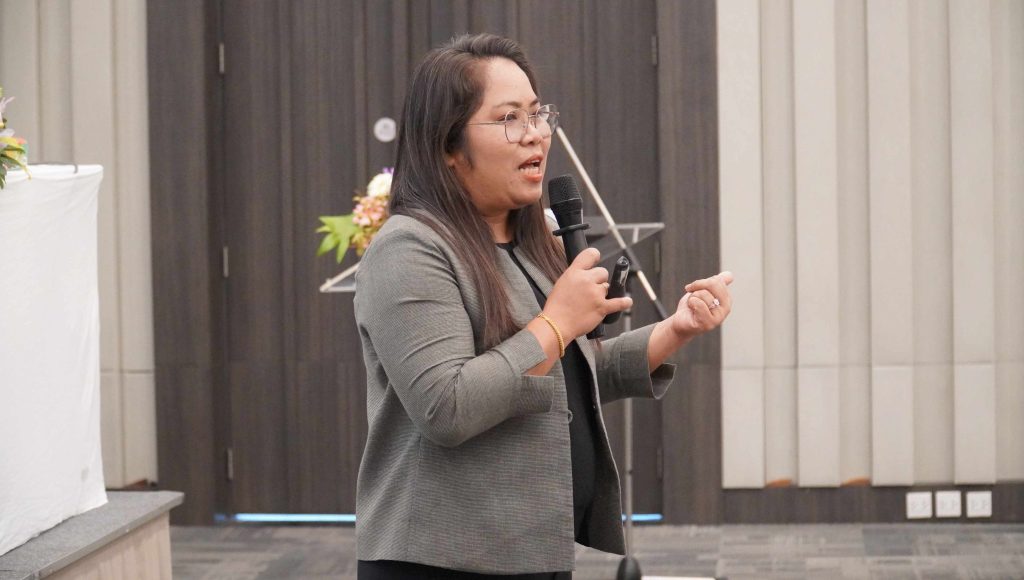
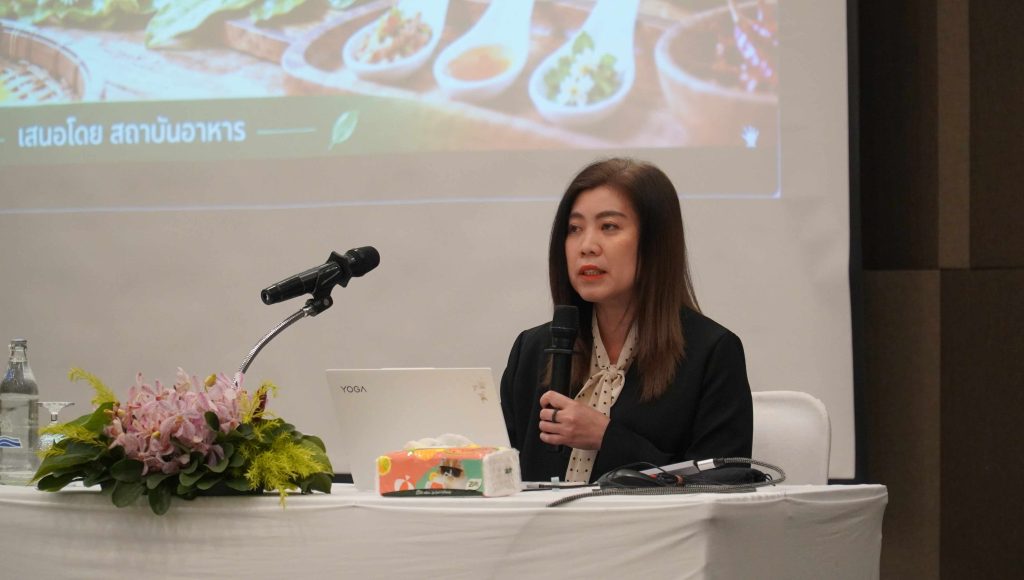
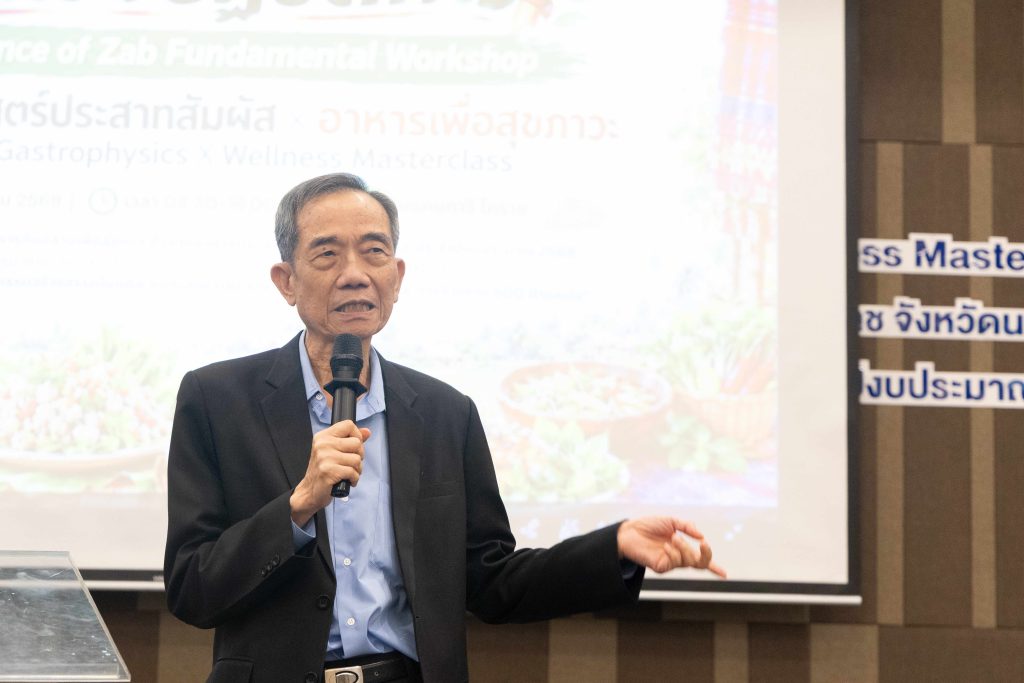
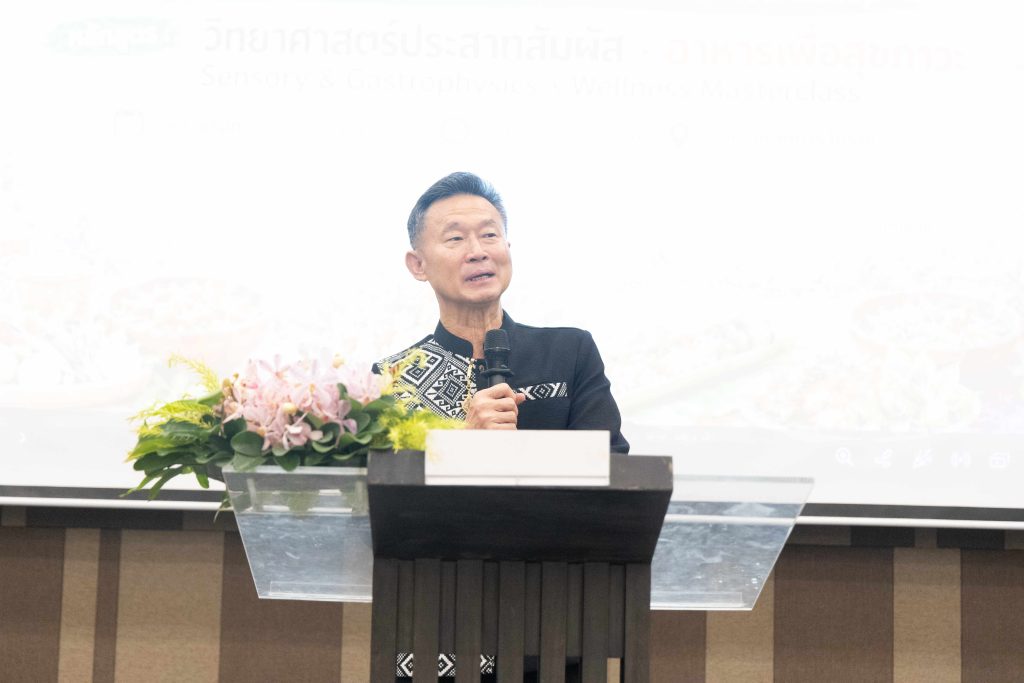
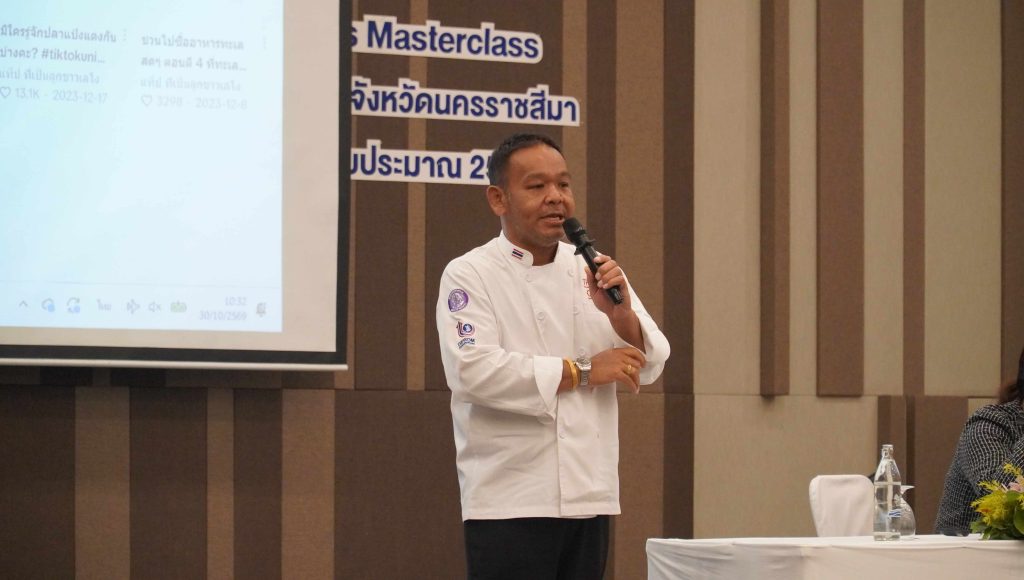
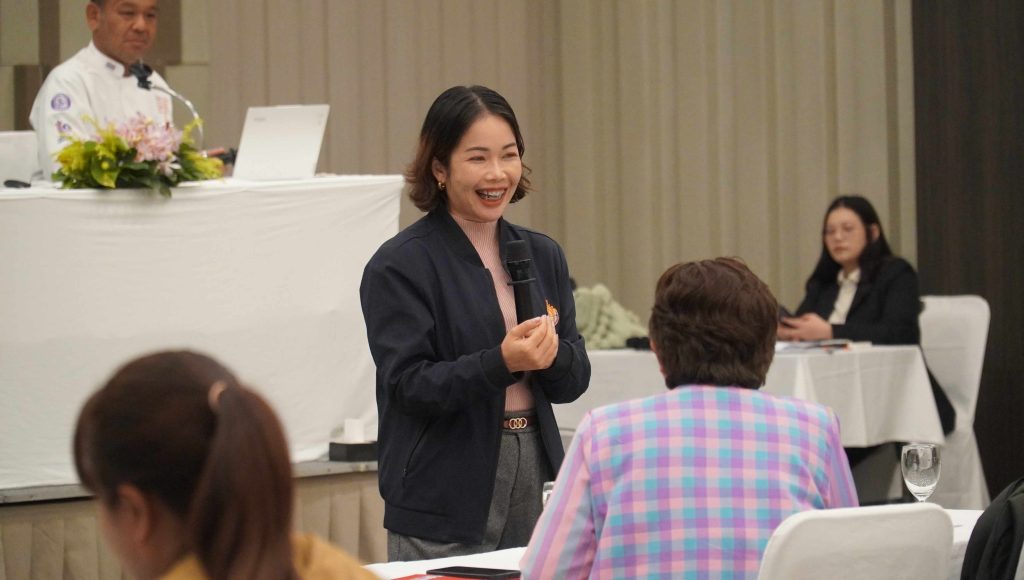
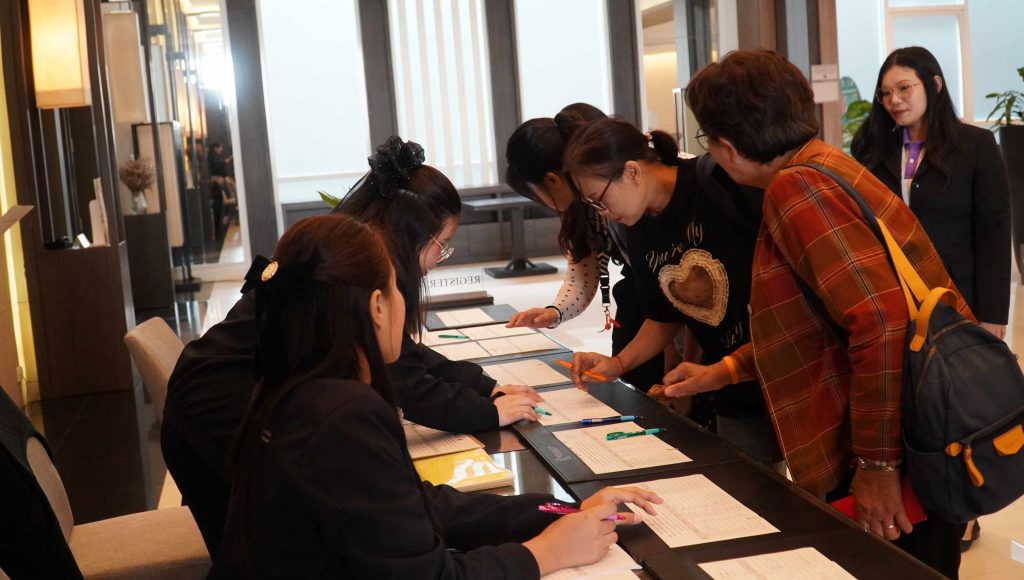
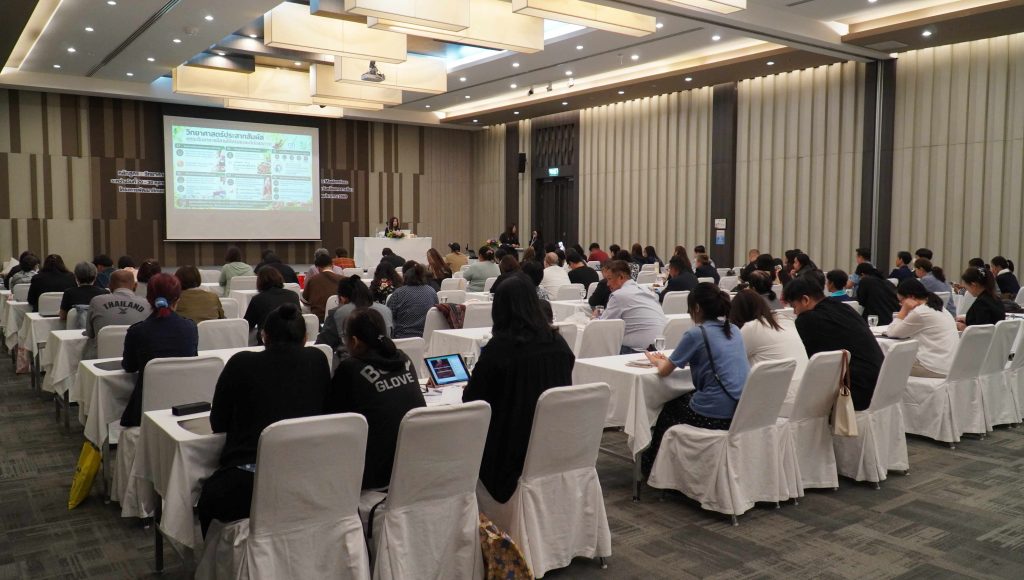
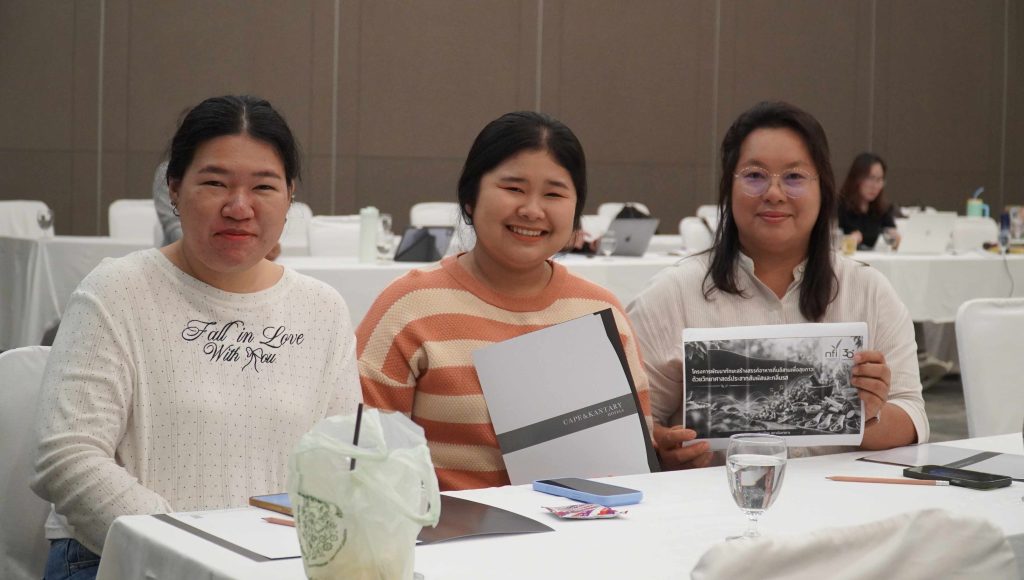
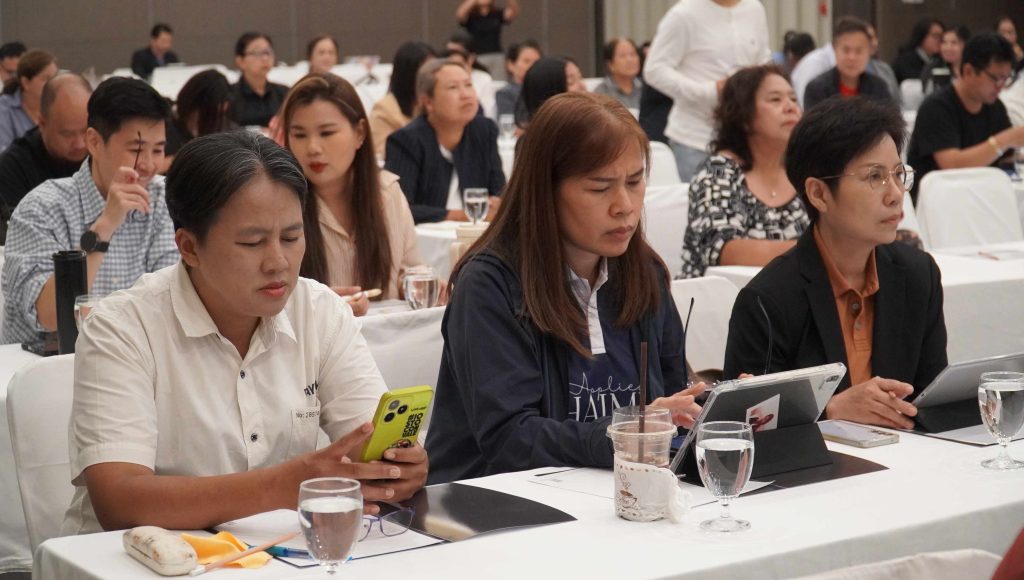
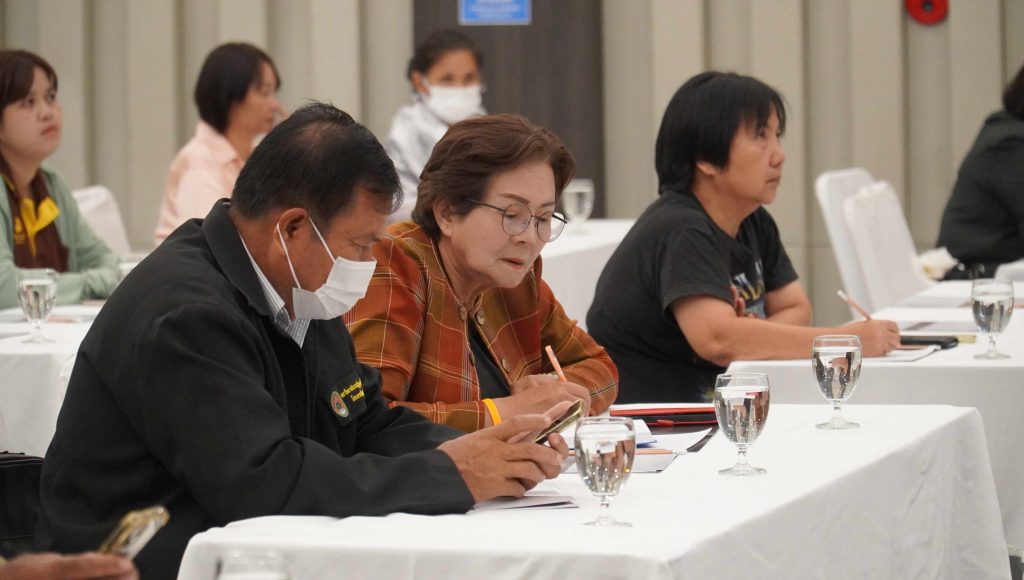
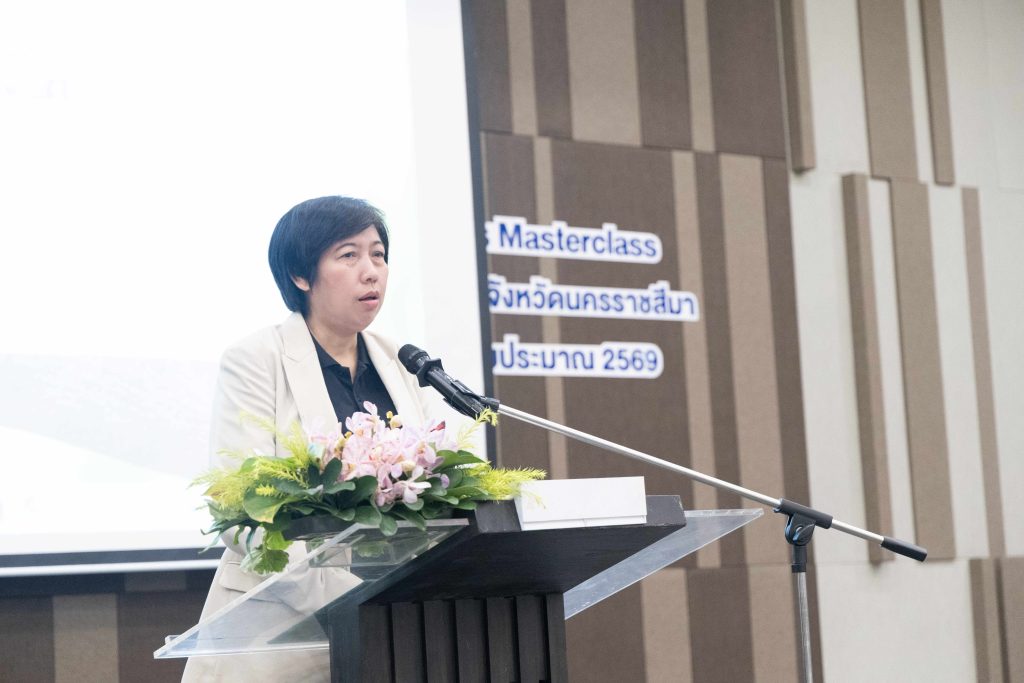
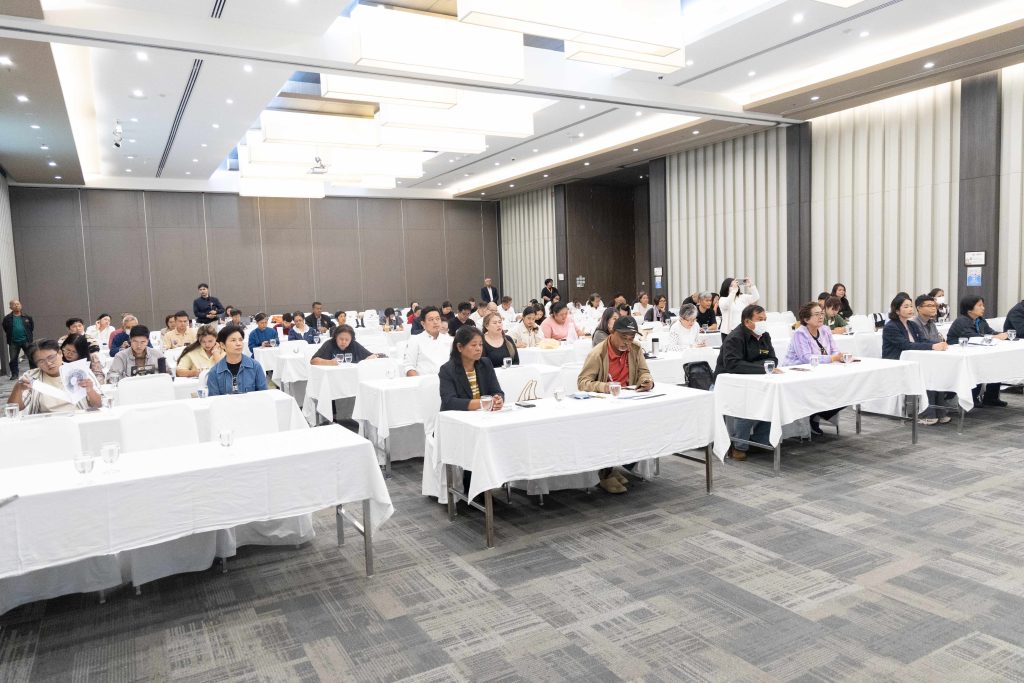
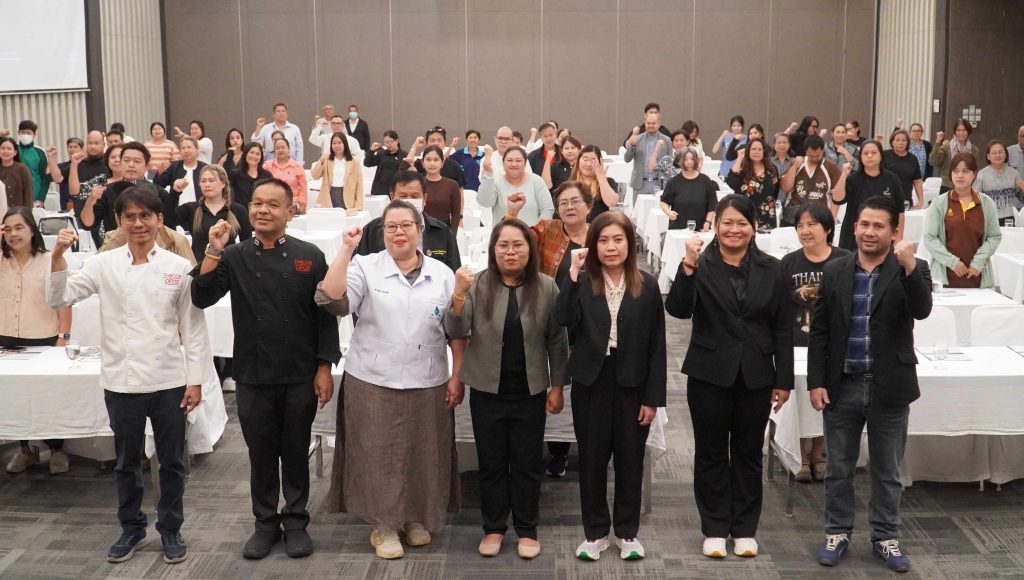
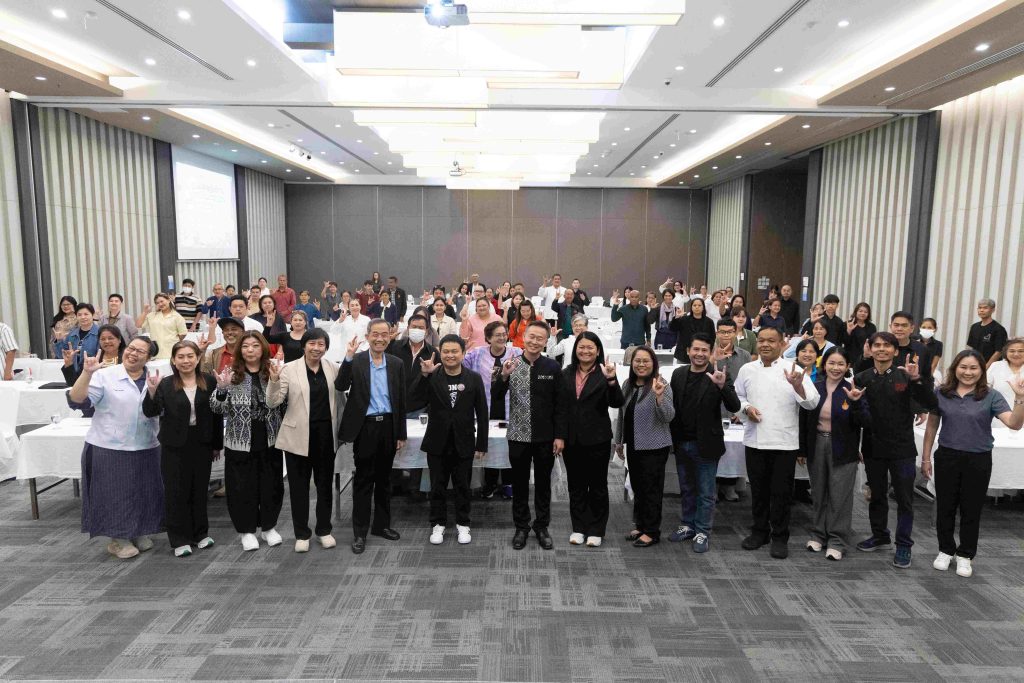
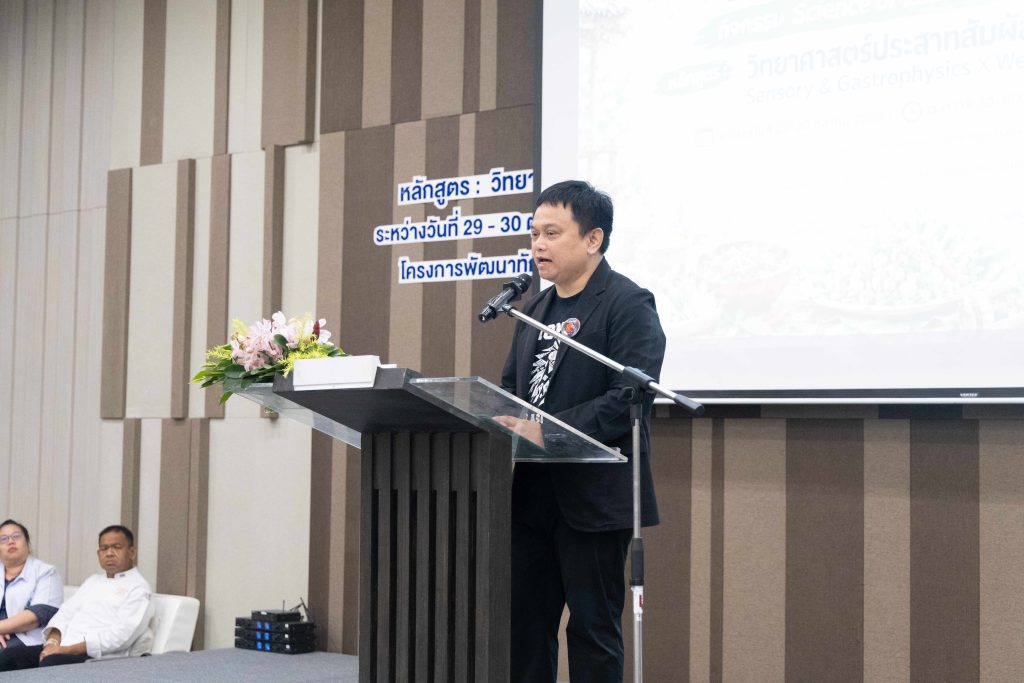
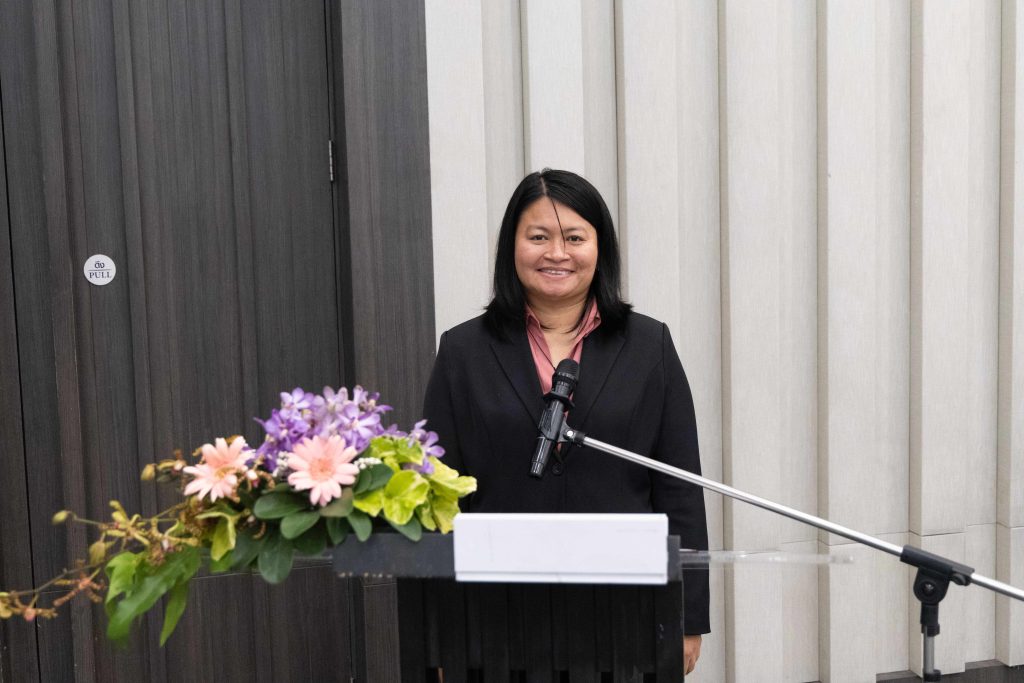
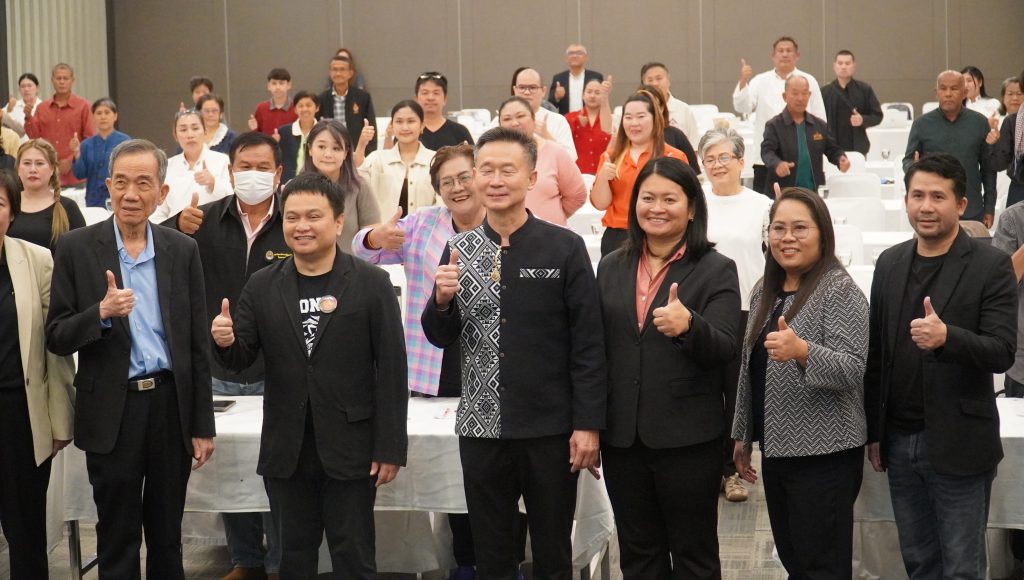
On October 29-30, 2569, Rajamangala University of Technology Isan (RMUTI), through Associate Professor Dr. Kosit Sripootorn, President of RMUTI, and with Associate Professor Dr. Bundit Kritakom, Vice President for Research, Innovation, and Academic Services, presiding over the opening ceremony of the "Science of Zab → Isan Zab Wellness & Gastronomy Tourism Bootcamp," a project aimed at developing creative skills in Isan regional cuisine for well-being through sensory science and flavor, organized by the Food Institute in collaboration with RMUTI. Assistant Professor Supathinee Korsingh, Director of the Chunhawan Institute for Academic Services and SME Development, presented the project's objectives. Restaurant owners, chefs, and cooks participated in the event to enhance their knowledge and develop skills in creating healthy Isan menus that meet the demands of modern consumers and increase the competitiveness of restaurant businesses. The event was held at the Lam Takong Conference Room, Kantary Hotel Korat, Nakhon Ratchasima Province.
This project, funded by the Thailand Research Fund (TRF), aims to promote and develop the capabilities of restaurant entrepreneurs in the lower northeastern region of Thailand. The objective is to enable them to apply knowledge of sensory science and flavor to create healthy Northeastern Thai (Isaan) menus while maintaining the unique taste and identity of local cuisine. This also aims to create added business value and develop healthy food tourism. The training content focuses on transferring knowledge of sensory science and flavor, enabling entrepreneurs to understand the components of taste and aroma in food, and learn techniques for balancing flavors and reducing sweetness, fat, and saltiness without compromising the spiciness and deliciousness that are characteristic of Isaan cuisine. Furthermore, they will be able to apply this knowledge to develop healthy menus that align with current consumer behavior.
Furthermore, participants learned how to develop unique and distinctive menus through defining the value and story behind each dish, analyzing target audiences, communicating health benefits, and presenting product concepts using menu design and development tools. This enables entrepreneurs to differentiate their restaurants, increase market opportunities, and expand into wellness gastronomy tourism.